
Choose the tooling route for the product stage
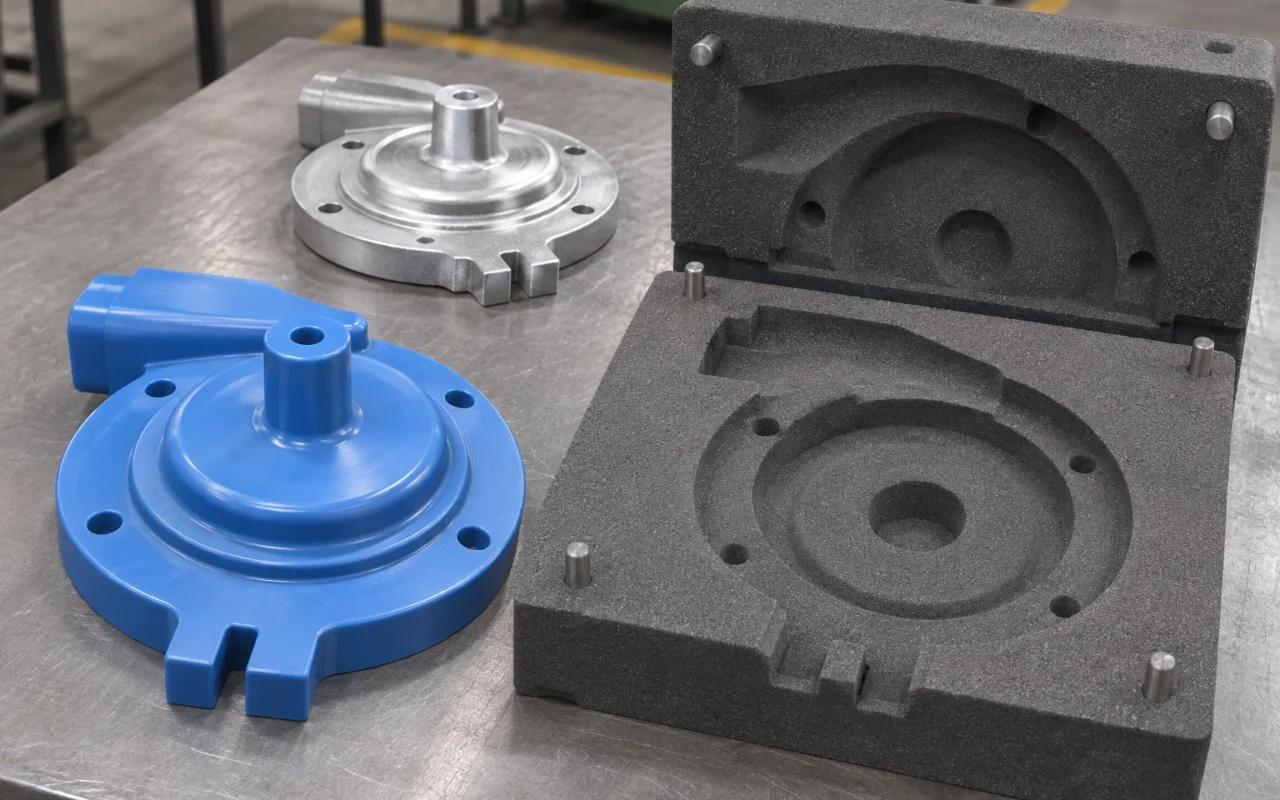
For prototypes, frequent revisions and complex cores, prioritize direct printing of sand molds and cores. For stable designs requiring repeated molding, prioritize a reusable printed pattern. The first eliminates physical patternmaking; the second digitizes the tooling and keeps the existing molding line in use.
A pattern is a tool withdrawn after molding. A directly printed mold or core instead proceeds to assembly and pouring preparation. Both use 3D printing, but at different points in casting production.
Making a pattern once and making a mold each time have different economics
A printed pattern is manufactured and surface-finished first, then reused to make successive molds. Each casting consumes a new sand mold while the pattern remains. Stable repeat orders spread the initial tooling cost and retain existing molding equipment and staff.
Direct sand printing replaces that initial patternmaking step with task-specific sand-part production. Every mold and core set is printed, but a physical pattern need not be made before a cavity can be produced. This is a simpler route for small, urgent development runs with an unsettled design.
3D Systems’ sand-casting tooling information describes printed patterns and core boxes with finished working surfaces. The digital-tooling route improves toolmaking while preserving established molding capacity.
Direct printing is stronger for complex cavities and revisions
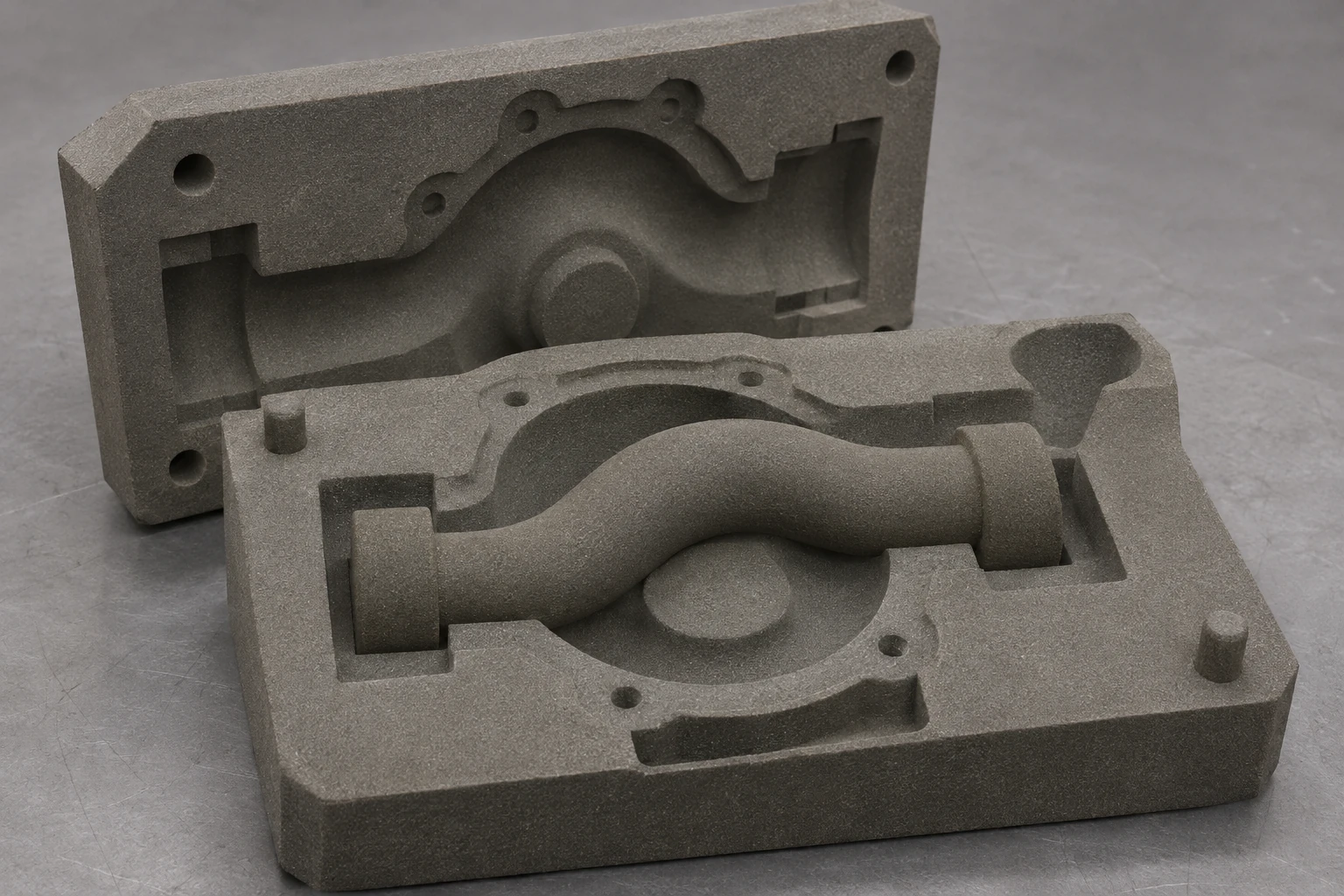
A conventional pattern must be withdrawn from the sand. Parting and withdrawal directions therefore affect undercuts and local features. Printing the pattern changes how the tool is made, but not the need to withdraw it. Complex shapes may still need loose pieces, revised parting or several cores.
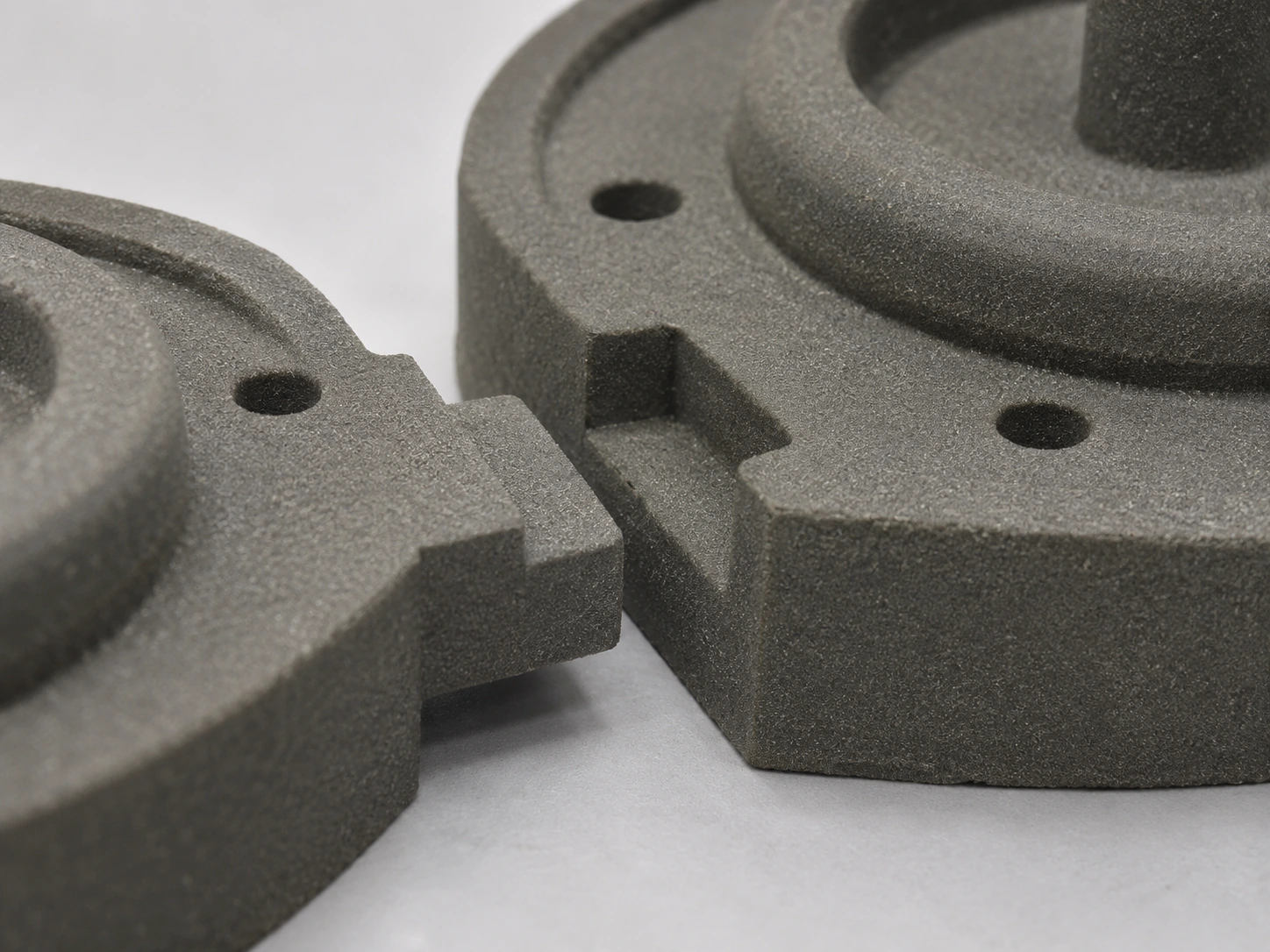
Direct mold and core printing does not require every cavity to accommodate a removable physical pattern. Curved passages, difficult-to-release cores and multi-core arrangements can be organized digitally. A revision updates the sand-part data for the next build, reducing repeated physical tool changes.
For pump interiors, complex water jackets and new products with changing interfaces, put direct sand printing first. The sand printing workflow includes depowdering, handling and mold assembly, where this geometric freedom becomes usable production.
Stable repeat orders benefit more from pattern reuse
When the external shape is regular, the design is frozen and orders recur, a printed pattern followed by molding makes better use of reusable tooling. Once parting and working surfaces are settled, the existing molding process can run without printing every outer mold anew.
The priority is a sound tool: establish parting, allow withdrawal, finish working surfaces and arrange storage and maintenance. Sand mold design, patterns and gating explains how these decisions connect to casting design.
The economics follow this division. A printed pattern carries initial tooling cost and serves repeated molding; direct printing incurs sand-part production cost for each set in return for patternless manufacture and easier revisions. Sand printing costs and lead times covers the complete expense; no universal quantity threshold is needed to understand the choice.
| Main task | Preferred route | Reason |
|---|---|---|
| First prototypes and small development runs | Direct sand mold printing | Produce sand parts without initial patternmaking |
| Complex passages or difficult-to-release cores | Direct core or mold printing | Transfer complex geometry to digital manufacture |
| Stable shape with repeated deliveries | Print a pattern, then mold | Reuse tooling and existing molding capacity |
| Stable exterior with a complex internal core | Conventional outer mold with printed core | Focus printing on the difficult interior |
When the outer tooling works, print only the complex core
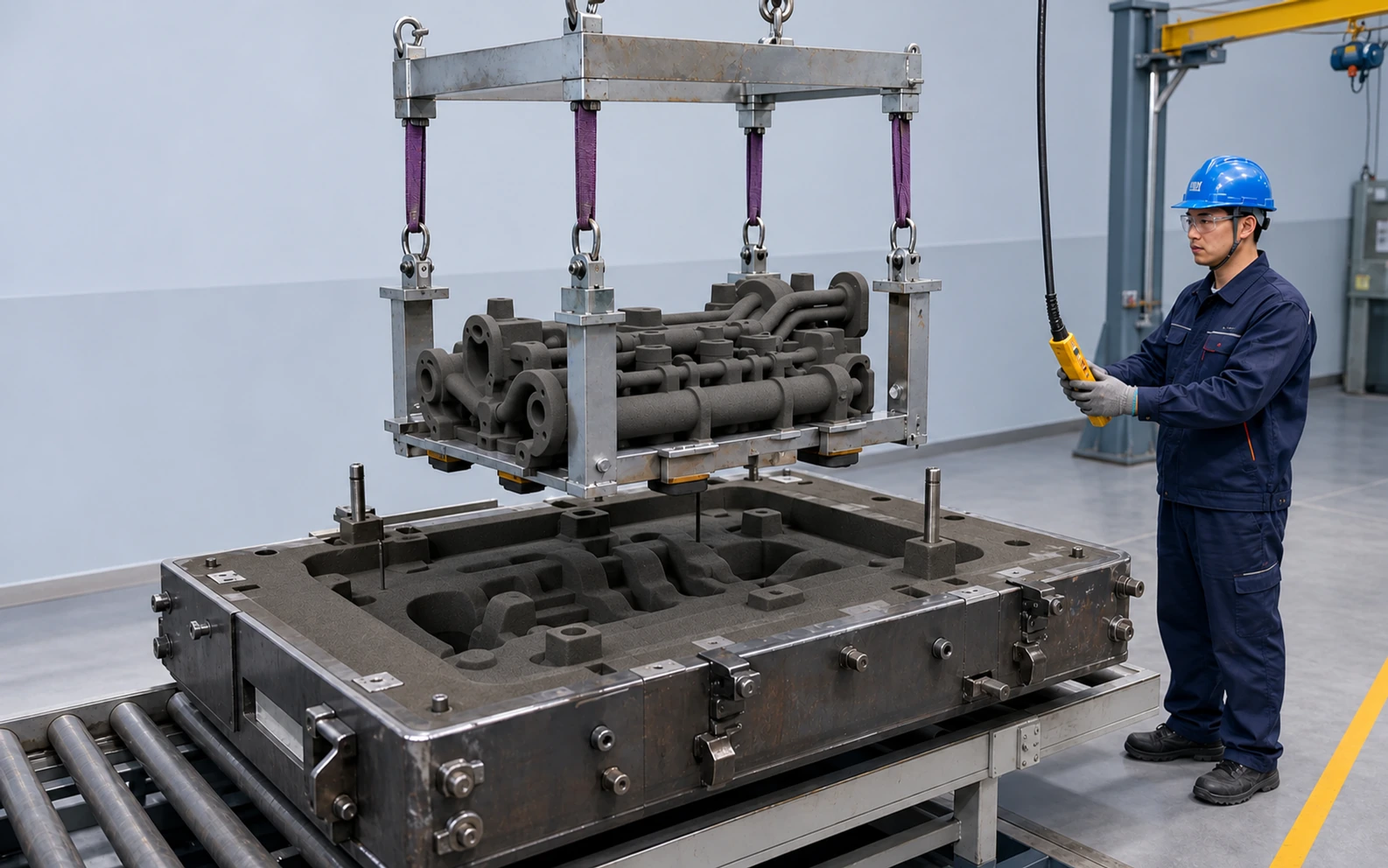
The important exception is a foundry with usable outer tooling whose new challenge is inside the part. Retain the outer pattern, mold the exterior conventionally and print the complex core. This reuses the tool while reducing difficult coremaking and assembly.
For example, a housing may keep the same exterior and mounting faces while its passages are optimized. The outer pattern stays fixed and changes move into printed core data. Printed patterns and directly printed sand parts can thus serve the same production route.
Decide which production stage printing should handle
During development of both internal and external geometry, printing the complete mold set makes coordinated updates easier. Once the product stabilizes and repeat orders develop, suitable portions can move to reusable patterns. Manufacturing can follow the product stage without committing every future order to the prototype method.
Cprint 3D SJ-1200 directly makes casting molds and cores for complete mold sets, complex cores and mixed tasks. Bring typical casting drawings and details of existing tooling to the Cprint 3D team to discuss equipment configuration, focusing new capacity on the moldmaking or coremaking work that currently takes the most time.