Can Jewelry Be Sand Cast? How It Differs from Lost Wax Casting
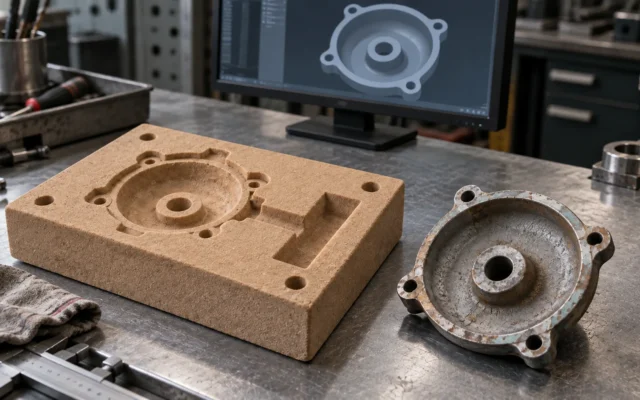
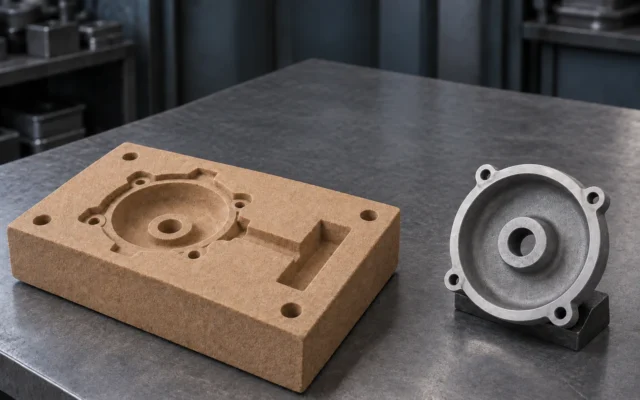
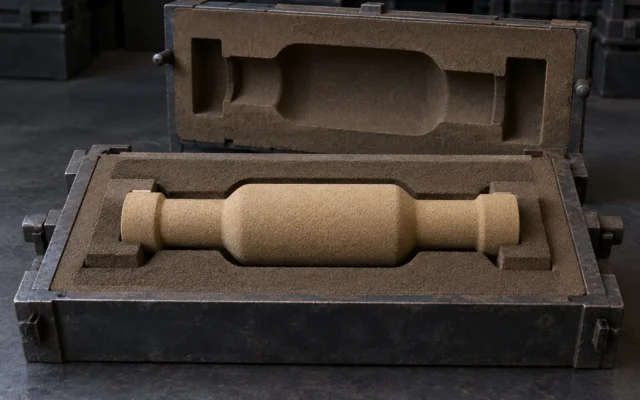
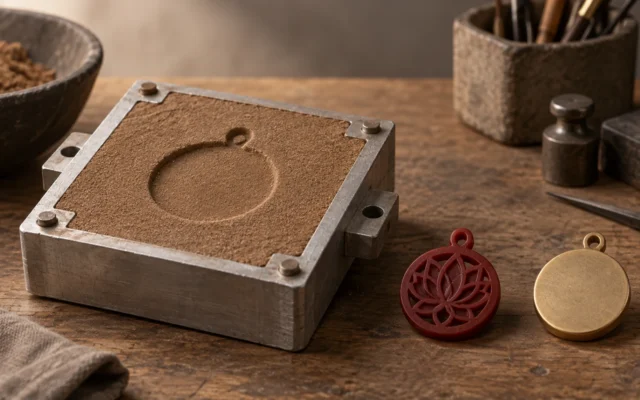
Learn how hand-molded jewelry sand casting works, where pattern removal and fine details create limits, and how its process differs from lost wax casting.
Read resource
resources
Browse current Cprint 3D content and continue to the most relevant product, application, or project page.
Learn how hand-molded jewelry sand casting works, where pattern removal and fine details create limits, and how its process differs from lost wax casting.
Read resourceA scan records a worn part as it is today. Recreating a discontinued component also requires design interpretation, material confirmation and traceable first-article and functional validation.
Read resourceInternal coolant passages and complex cavities often rely on sand cores during casting. This guide explains conventional core-making constraints, the role of 3D sand printing, and evaluation from sample cores to casting and functional tests.
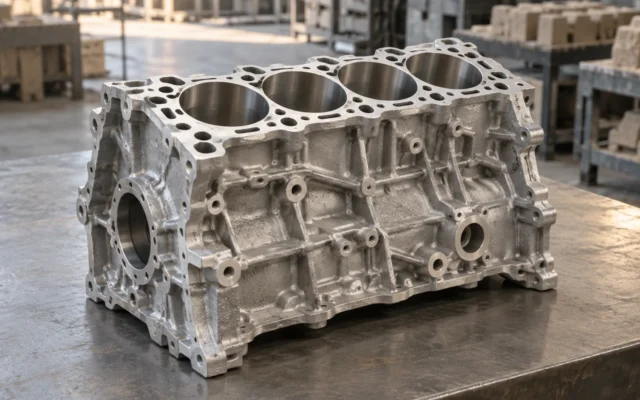
Read resourceSand casting offers options for aluminum parts with complex cavities, large structures and changing designs. Explore material requirements, melt control, inspection and how printed molds and cores fit into production.
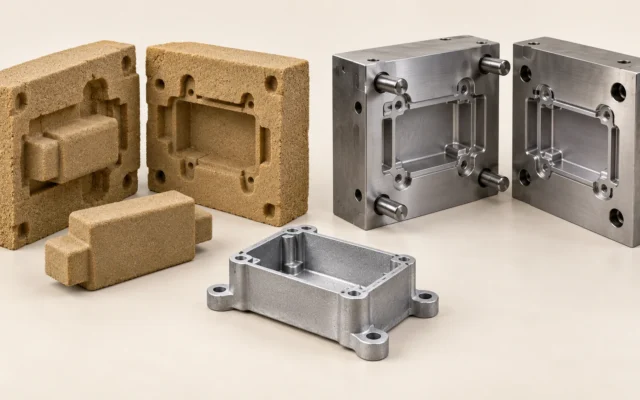
Read resourceTurn finished-part requirements into a mold that can be made, assembled, and poured. A pump-housing example connects five design essentials, direct sand printing, and a 20-question pre-production review.
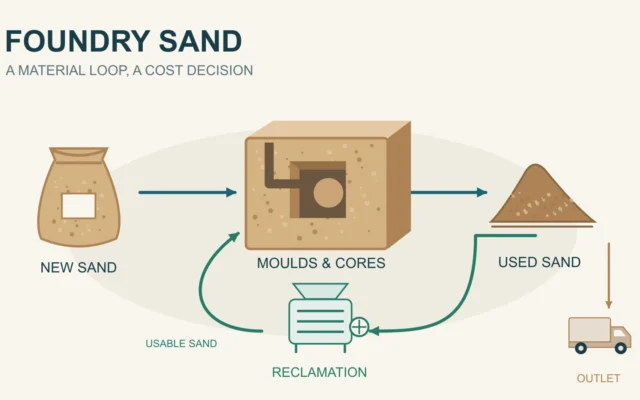
Read resourceWhether used sand can return to production depends on its condition and intended process. Explore reclamation, testing, separate printing-sand streams and costs per acceptable casting.
Read resourceSand reclamation economics depend on purchasing, transport, disposal, operating costs and casting quality. Start with the foundry's existing sand loop, then distinguish avoided costs, net cash savings and simple payback using a hypothetical example.
Read resourceSand casting and high-pressure die casting differ in tooling, filling, design flexibility and production economics. Check material and quality requirements before comparing the total cost of accepted parts.
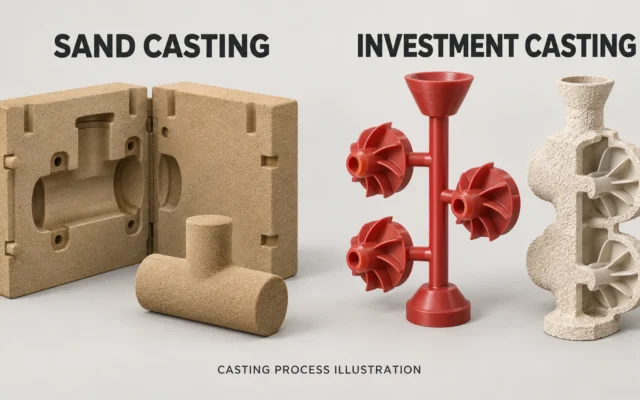
Read resourceThe main difference between sand casting and investment casting is how the mold cavity is formed. Compare their process steps, external details, internal passages, size range and machining needs, and see where 3D printing fits.
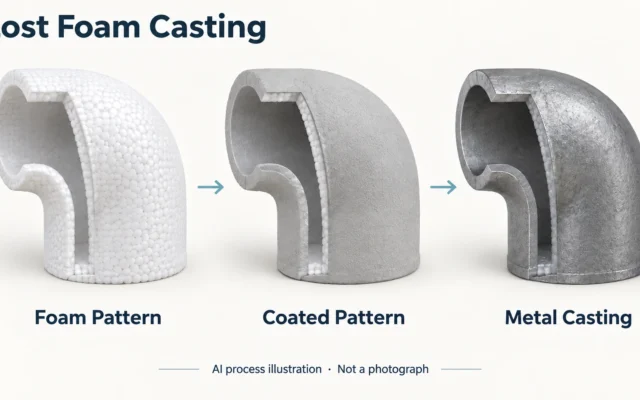
Read resourceWhy does the foam pattern stay inside the sand until pouring? Learn how foam, coating, and dry sand work together, then explore the eight production steps, common defects, and conditions for choosing lost foam casting.
Read resourceTalk with Cprint 3D
Share your process, part requirements, or CAD data for a technical conversation with our team.