How Binder Jet Sand 3D Printing Works: From CAD to Depowdering
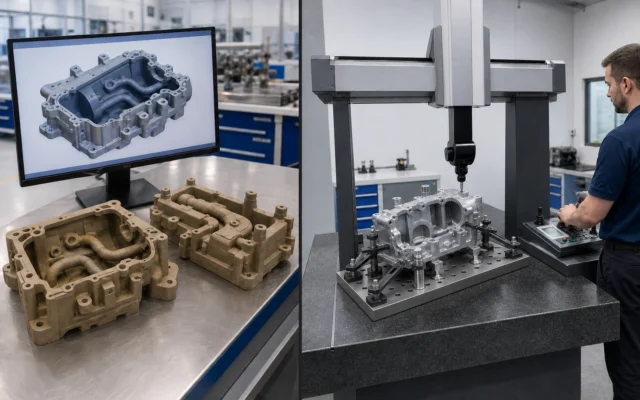
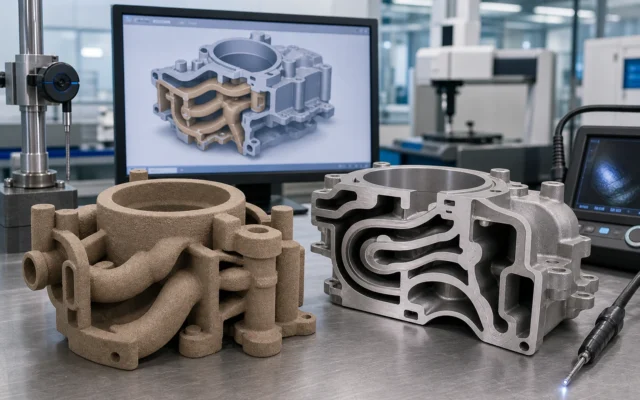
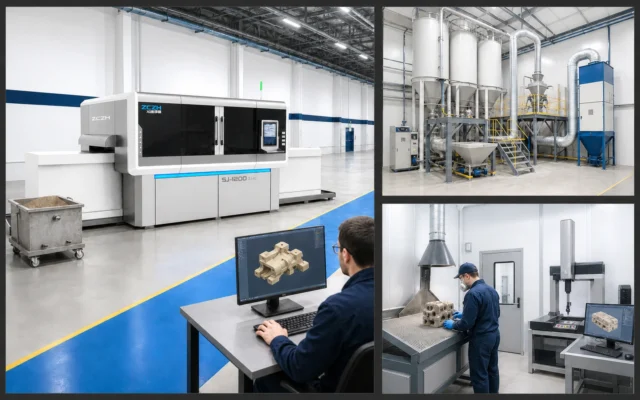
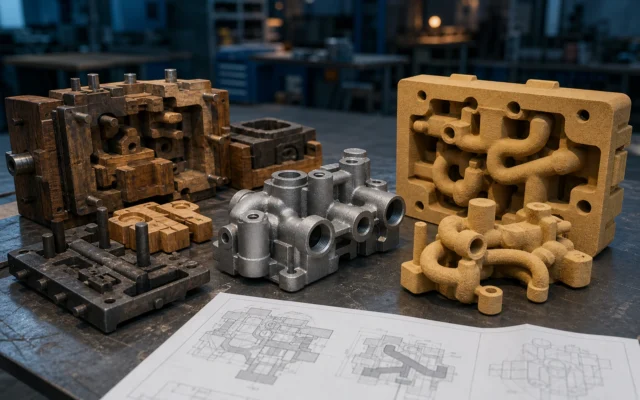
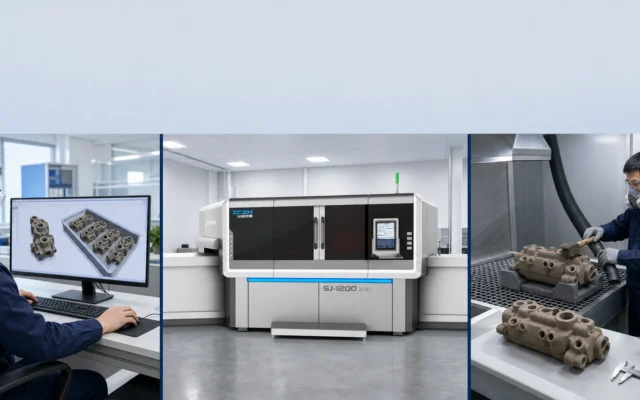
Follow the binder jetting workflow through casting design, slicing, recoating, binder deposition, curing, depowdering, coating, inspection and pouring.
Read resource
resources
Browse current Cprint 3D content and continue to the most relevant product, application, or project page.
Follow the binder jetting workflow through casting design, slicing, recoating, binder deposition, curing, depowdering, coating, inspection and pouring.
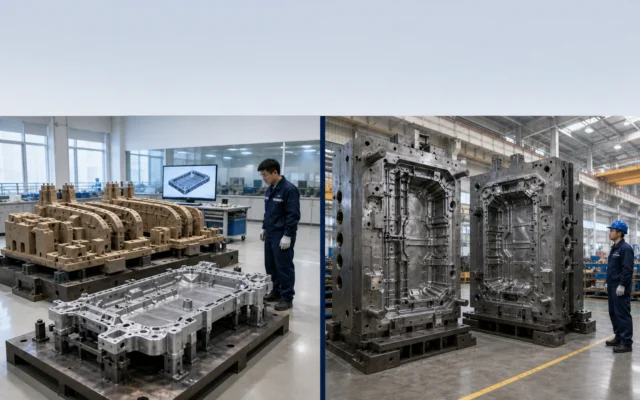
Read resourceUnderstand how printed sand molds support large casting prototypes—and why they do not replace high-pressure die-casting tools or production validation.
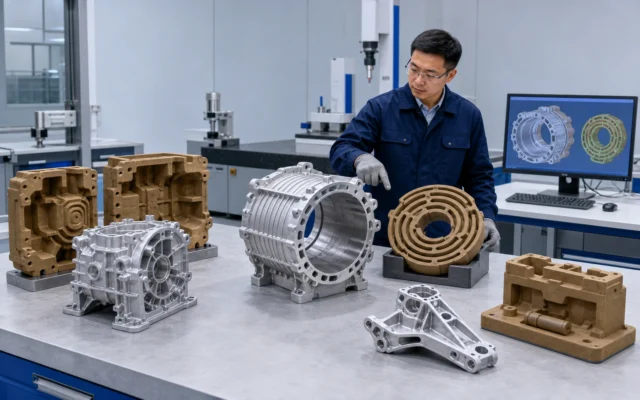
Read resourceSee how automotive foundries use printed sand molds for powertrain, e-drive, structural prototypes and legacy spares before production tooling is ready.
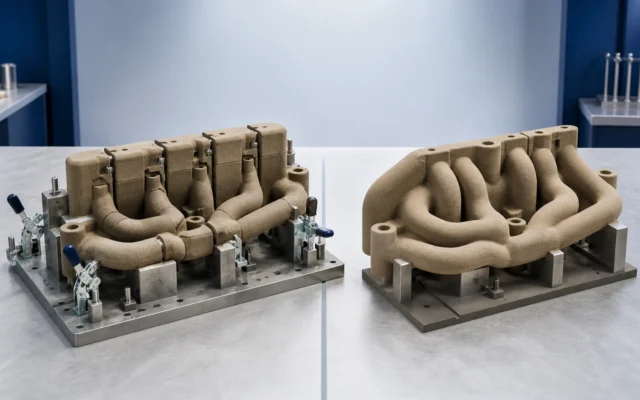
Read resourceLearn how sand 3D printing can reduce core boxes and assembly error while respecting cleaning access, venting, strength and foundry design limits.
Read resourceLearn how automotive teams use printed sand molds to move from CAD and casting design through metal prototypes, testing and bridge production.
Read resourceSee where 3D-printed sand cores support complex aerospace castings and what material, dimensional, inspection and traceability controls still apply.
Read resourcePlan a sand 3D printing line around capacity, sand supply and recovery, depowdering, safety, quality data, material flow and staffing.
Read resourceCompare tooling, material, machine, labor and finishing costs to see where sand 3D printing improves ROI for complex, low-volume or urgent castings.
Read resourceLearn how binder jetting produces sand molds and cores directly from CAD, where it fits in casting, and what to prepare for a project evaluation.
Read resourceTalk with Cprint 3D
Share your process, part requirements, or CAD data for a technical conversation with our team.