
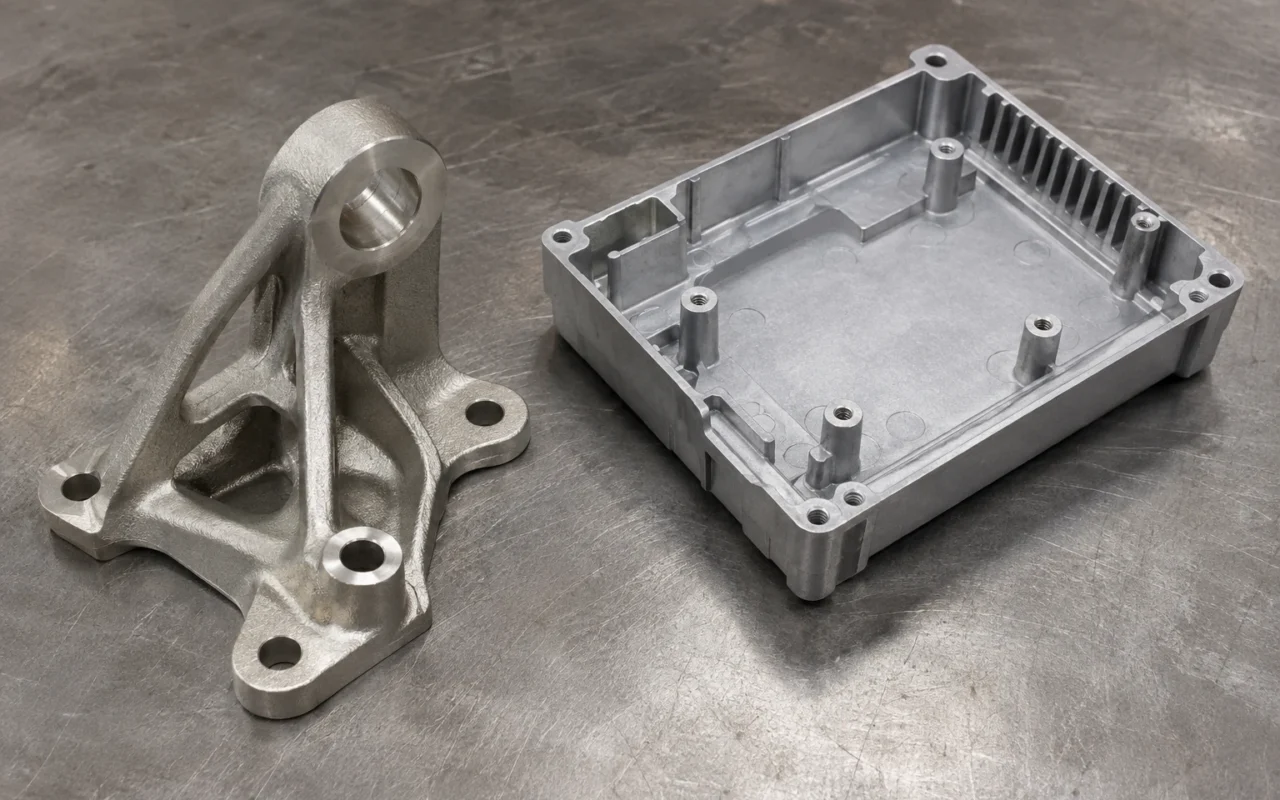
Start with material and order stage
Choose investment casting first for precision steel, stainless-steel and superalloy parts. For thin-wall aluminum, zinc or magnesium parts with a stable design and continuing volume, prioritize high-pressure die casting. For small development quantities still being revised, digital wax patterns with investment casting provide a straightforward route to actual metal samples.
“Precision” alone does not distinguish these processes. Material, geometry and order stage are the useful starting points. Die casting here means high-pressure die casting; gravity permanent-mold casting is a separate process.
Material narrows the first choice
Investment casting uses removable patterns to make expendable shells, then pours metal into them. It accommodates many precision steel and alloy parts. For corrosion-resistant stainless steel, heat-resistant steel or superalloys, begin with the appropriate investment-casting route rather than comparing unit prices for aluminum or zinc die castings.
High-pressure die casting forces liquid metal into a reusable steel die. Aluminum, zinc and magnesium alloys are common. NADCA’s process overview lists major alloys and hot- and cold-chamber processes. Thin-wall housings with mounting bosses and connection features are common applications.
A fixed material often narrows the options quickly. If changing material is permissible, redesign around the required performance before treating the alternatives as comparable. The overview of metal casting processes places the routes in context.
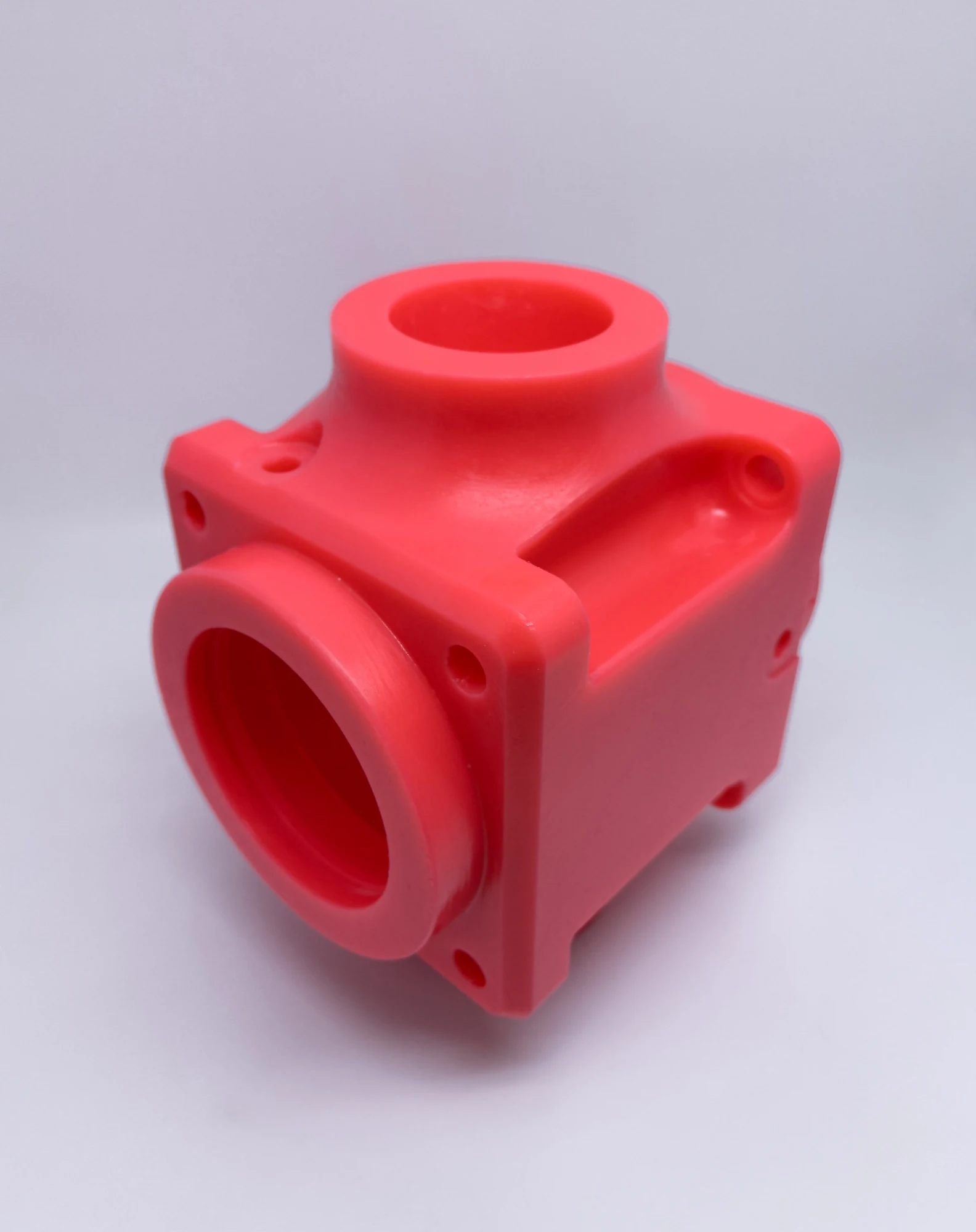
Stable volume makes reusable dies valuable
Die casting first requires tooling development and trials, then repeats injection, cooling, opening and ejection. Long-term delivery to the same drawing spreads tooling cost and establishes a repeatable production cycle. This is its main economic advantage for stable-volume thin-wall parts.
Investment casting requires patterns, shell building, dewaxing, firing and pouring for each batch. Direct wax printing reduces preparation of dedicated wax-injection tooling for small quantities and frequent changes. Once repeat demand develops, wax injection is also available. Both patternmaking methods feed the same investment-casting process.
The Investment Casting Institute’s process and cost paper explains conventional wax and digital patterns. During development, avoiding repeated dedicated-tool revisions is more useful than prematurely chasing a mass-production cycle; stable orders should exploit tool reuse.
Compare expendable shells with opening steel dies
Investment patterns are removed after shell building, and shells are broken away after pouring. Manufacturing can therefore be organized around complex external forms. Internal cavities can use cores. Direct digital patterns also reduce the constraints of wax-injection tooling on the first design.
High-pressure dies must open repeatedly and eject the part. External undercuts, side features and holes often require slides or core-pull mechanisms. Regular thin-wall housings with planned release directions suit this route; dependence on moving mechanisms adds die development, maintenance and revision work.
This does not assign every complex part to investment casting. A practical division is investment casting for complex steel parts and changing designs, and die casting first for compatible, stable-repeat nonferrous thin-wall parts.
| Typical requirement | First choice | Reason |
|---|---|---|
| Precision steel, stainless-steel or superalloy part | Investment casting | Suits these materials and complex precision geometry |
| Small development batch with changing shape | Digital patterns and investment casting | Reduce early dependence on dedicated pattern tooling |
| Stable thin-wall aluminum, zinc or magnesium part | High-pressure die casting | Reuse the steel die and injection cycle |
| Suitable die-casting alloy and integrated mounting features | High-pressure die casting | Form housing and attachment features together |
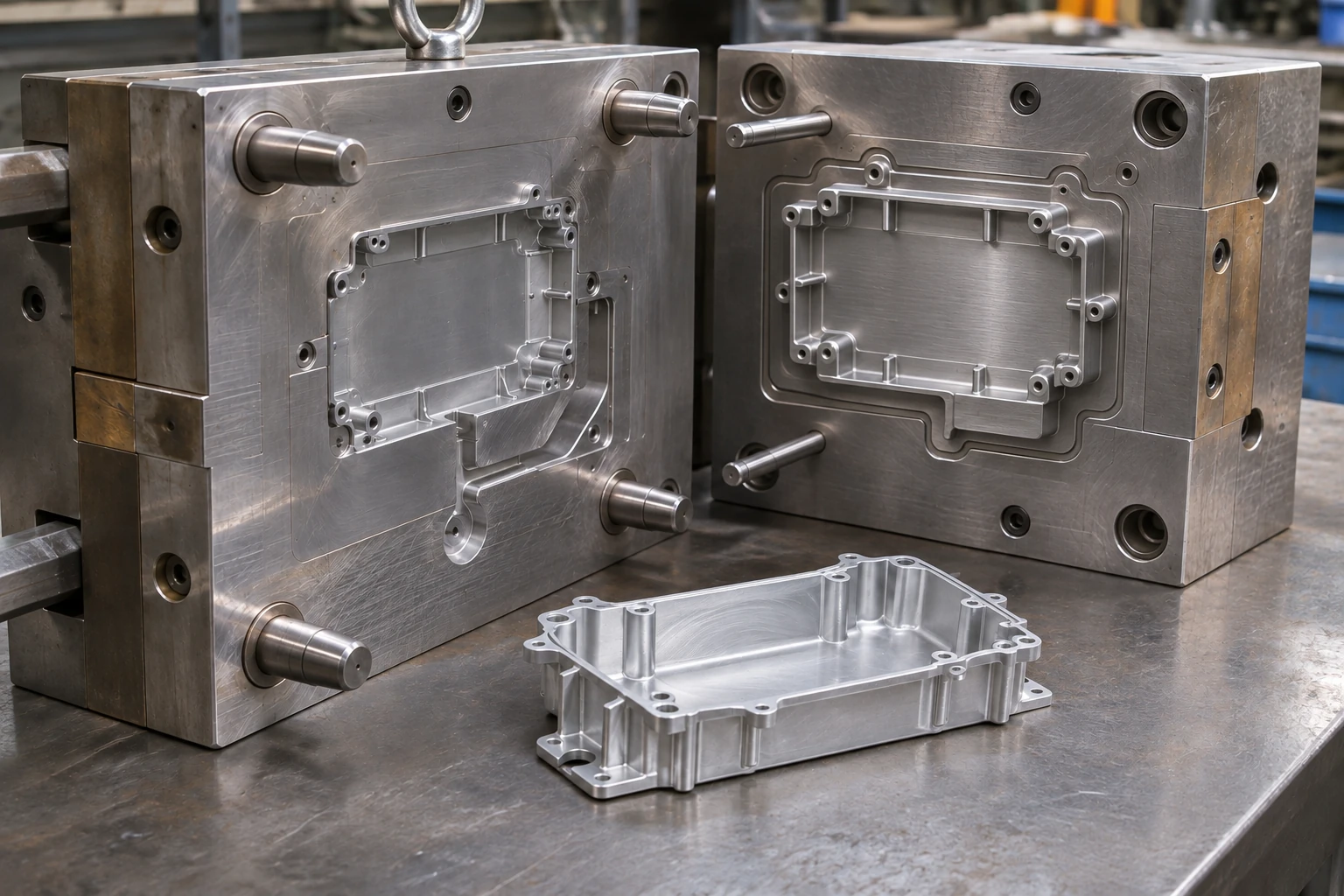
Treat high-integrity die casting as a specific route
Aluminum parts requiring leak tightness, structural integrity or particular heat treatment deserve separate attention. Conventional die casting differs from high-vacuum, squeeze and semi-solid processes. NADCA’s high-integrity guidance specifically addresses heat treatment and material properties; conventional-process limitations should not be applied to all variants.
Finish precision surfaces, hole systems and surface treatments to the drawing. Compare quotations at the same delivery condition to see tooling, forming and finishing costs. This implements the selected route rather than replacing the earlier clear choice.
Use wax patterns for development, organize tooling for stable orders
For development parts requiring investment casting, digital wax patterns provide metal samples while the design passes through revisions. Once orders stabilize, select wax-injection tooling or continued digital patternmaking to suit the product stage.
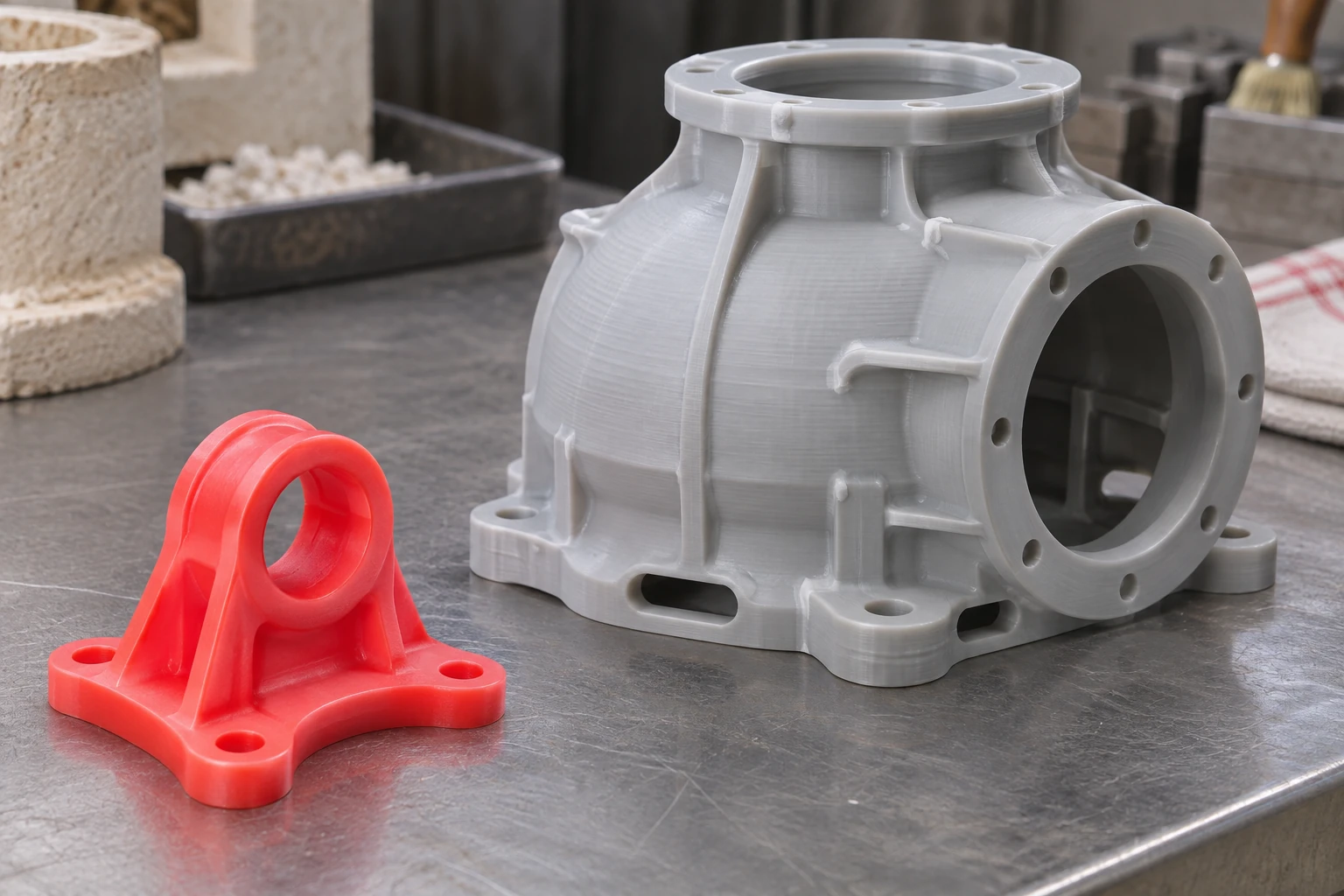
The 3H-420 Plus wax 3D printer serves this patternmaking step. Bring representative precision-part drawings and common revision needs to the Cprint 3D team to configure digital wax capacity for development and complex patterns.