
Case at a glance
- Customer: Xixia Exhaust Pipe Co., Ltd.
- Location: Xixia, Nanyang, Henan, China
- Process: 3D-printed sand molds and cores
- Deployment record: first-generation machine in 2018; second-generation machine in 2025
- Review focus: long-term operation, maintenance, continuous production and repeat purchase
- Evidence: authorized shop-floor photographs, deployment records and on-site feedback
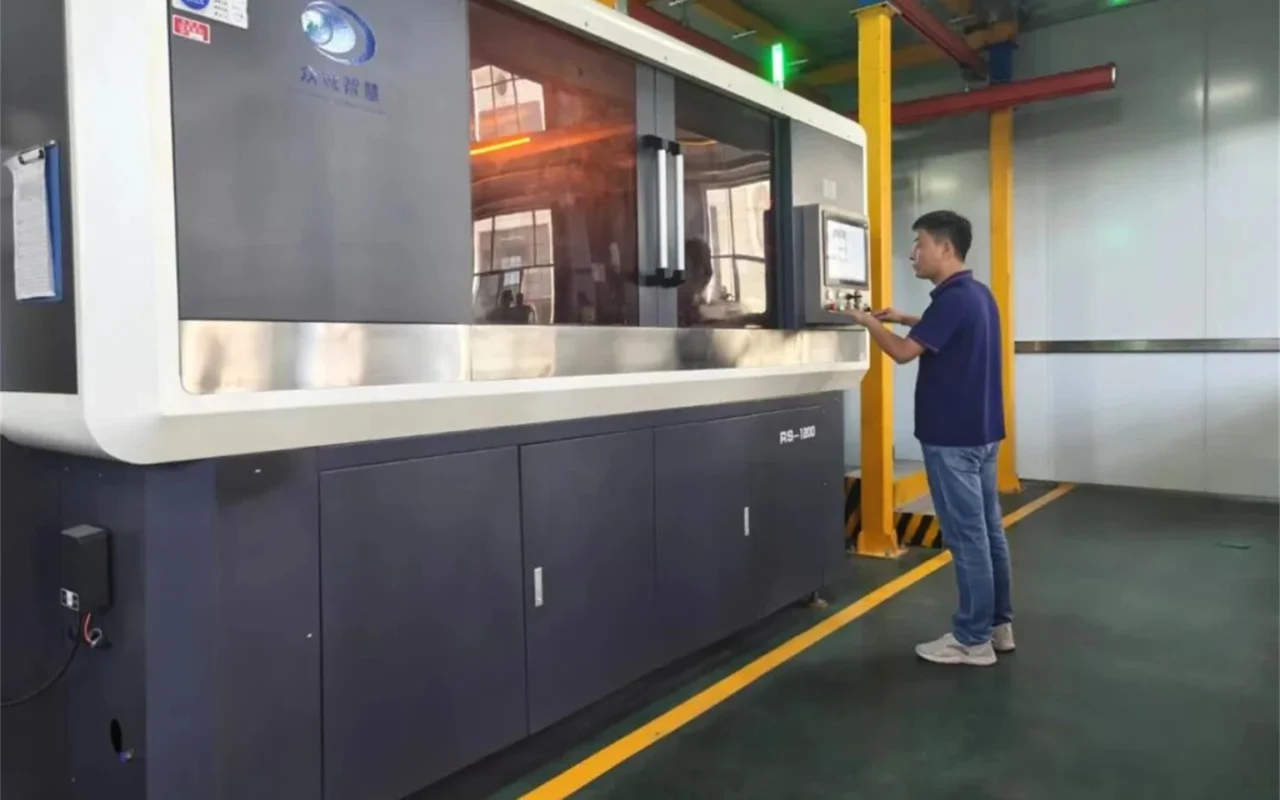
Cprint 3D revisited Xixia Exhaust Pipe in 2026 and documented two generations of sand 3D printing equipment in the customer’s workshop. The first machine, purchased in 2018, had served for approximately eight years. Following another equipment-selection process, the customer purchased a second-generation Cprint 3D machine in 2025.
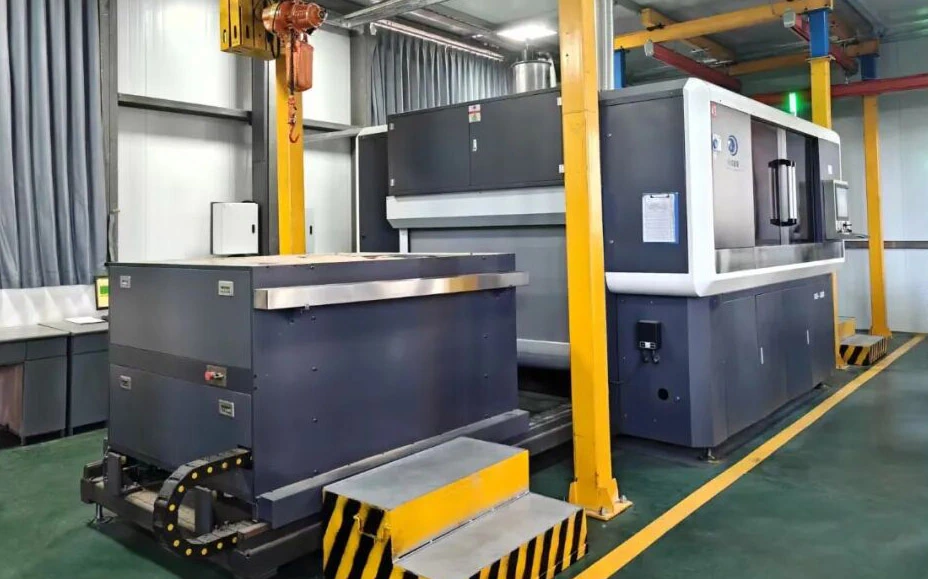
This case is based on authorized site material, service records and customer feedback. The photographs show historical machines and must not be relabeled as the current SJ-1200.
Challenge: From pilot equipment to sustained production
A foundry needs more than a successful first print. Over years of production it must manage dust, recoating and feed, printhead condition, motion and controls, build-box turnover, training and spares. Once the printer enters the delivery chain, planned maintenance and recovery affect orders.
The 2018 installation gave Xixia early in-house digital mold capability. As production experience grew, equipment availability, maintenance and continuing supplier support became important in the decision to expand. See the foundry readiness checklist.
Deployment: First-generation machine in 2018
Visit photographs show the first-generation printer retained and operating in the workshop. According to the customer’s site feedback, it continued working normally after nearly eight years, without an order being delayed by a major equipment failure.
Expansion: Second-generation machine in 2025
After comparing competing equipment in 2025, the customer selected a second-generation Cprint 3D printer. Company service records describe more than a year of multi-shift production with stable operation, printing parameters and continuous output. The precise model must be identified from the actual nameplate and purchase documents.
Workflow on the shop floor
The production path begins with casting data, continues through mold or core design, file preparation, nesting, printing, sand removal and inspection, and then moves into assembly and pouring. Machine stability is one input; material lots, environment, operation and maintenance together determine accepted output.
Useful long-term metrics include:
- machine-on and effective print time;
- planned maintenance, unplanned stops and recovery time;
- sand, binder and critical-part consumption;
- accepted molds per box and handling damage;
- critical dimensions and casting defects; and
- operator training and configuration changes.
These records turn a visual impression into measurable ownership-cost and capacity evidence. See the binder jet sand-printing workflow.
Customer feedback
“When we originally selected Cprint 3D’s sand-printing equipment, the stability and durability of a domestically developed machine were especially important to us. Over years of production it has not delayed our order deliveries. Maintenance is straightforward and failures have been rare. Compared with similar equipment, its long-term total-cost advantage is clear, and it has become a core part of our digital foundry workshop.”
This is a faithful English translation of authorized on-site customer feedback.
Result: What this case supports
The first-generation installation used an industrial frame, sand-spreading and motion modules and sealing for a dusty foundry environment. Company service records describe stable forming and straightforward routine maintenance over the long operating period. The repeat purchase after years of use is additional evidence of customer confidence in maintainability and total cost.
One case does not establish the life or uptime of every installation. A buyer should validate its own sand, binder, shifts, maintenance, service and casting quality.
Explore sand molds and cores, browse case studies, request an equipment review, or assess cost, lead time and ROI.