Wax 3D Printing Guides
Materials, processes, and production guidance for castable wax patterns.
Explore topic
Resources
Explore practical guides, technology comparisons, and verified case studies for wax pattern and sand casting production.
Explore by Topic
Materials, processes, and production guidance for castable wax patterns.
Explore topicCompare technologies, workflows, and selection criteria with clear evidence boundaries.
Explore topicKnowledge Library
Read ash-content information alongside test conditions and the complete casting process, rather than using one material figure to explain every defect.
Read resourceUnderstand which material forms the model and which supports printing, then confirm removal methods, cleaning checks and material compatibility.
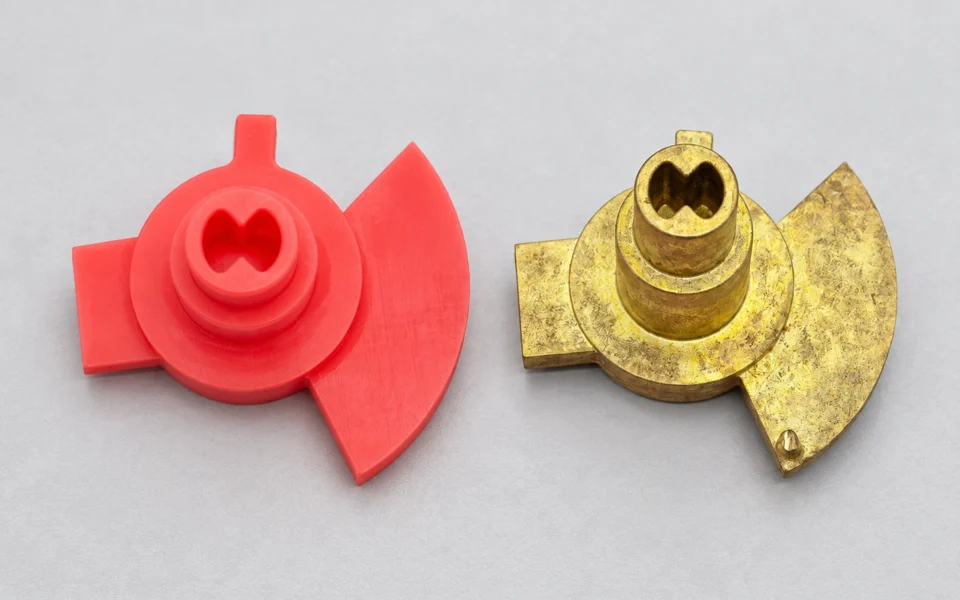
Read resourceChoose investment casting first for precision steel, stainless-steel and superalloy parts. For thin-wall aluminum, zinc or magnesium parts with a stable design and continuing volume, prioritize high-pressure die casting. For small development quantities still being revised, digital wax patterns with investment casting provide a straightforward route to actual metal samples.
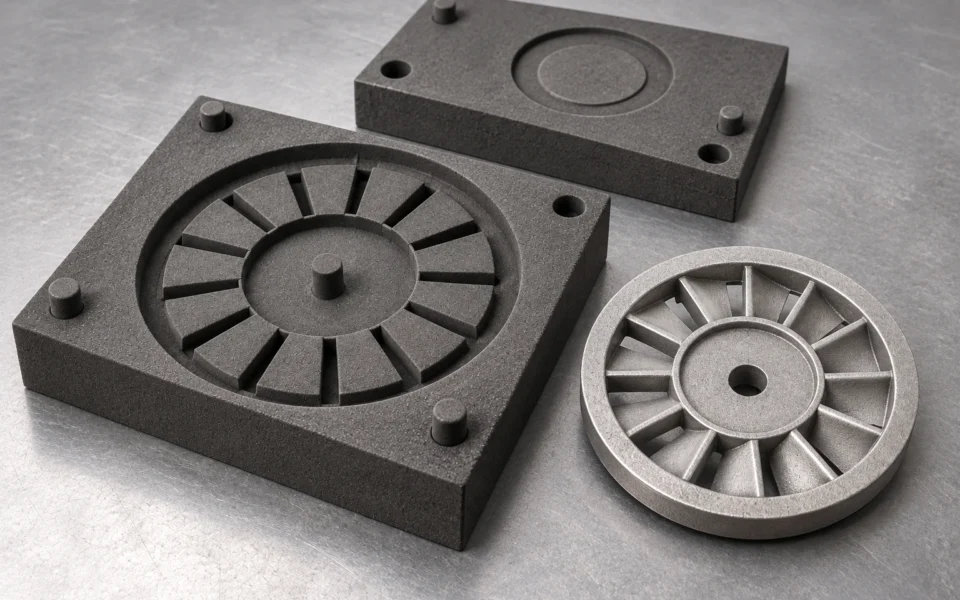
Read resourceHow printed sand molds and cores form curved passages in bronze pump bodies, valve bodies and fittings, with core design, casting stages and acceptance checks.
Read resourceConnect file approval, printing, post-processing, inspection and foundry handover through clear records and responsibilities.
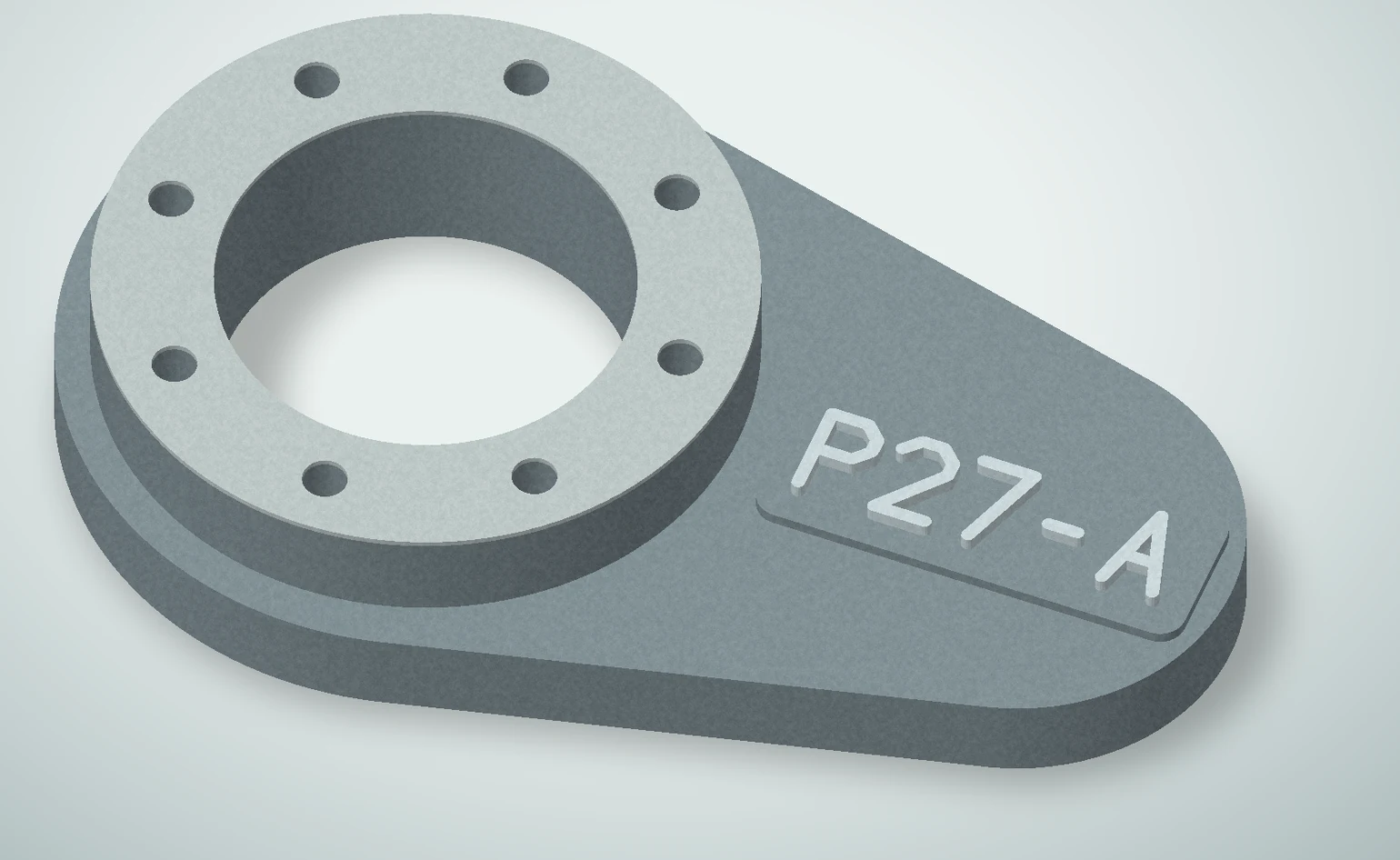
Read resourceDistinguish look-alike castings with cast-in batch codes. Choose where to place the mark, mirror it in the mold, and check the first casting after finishing.
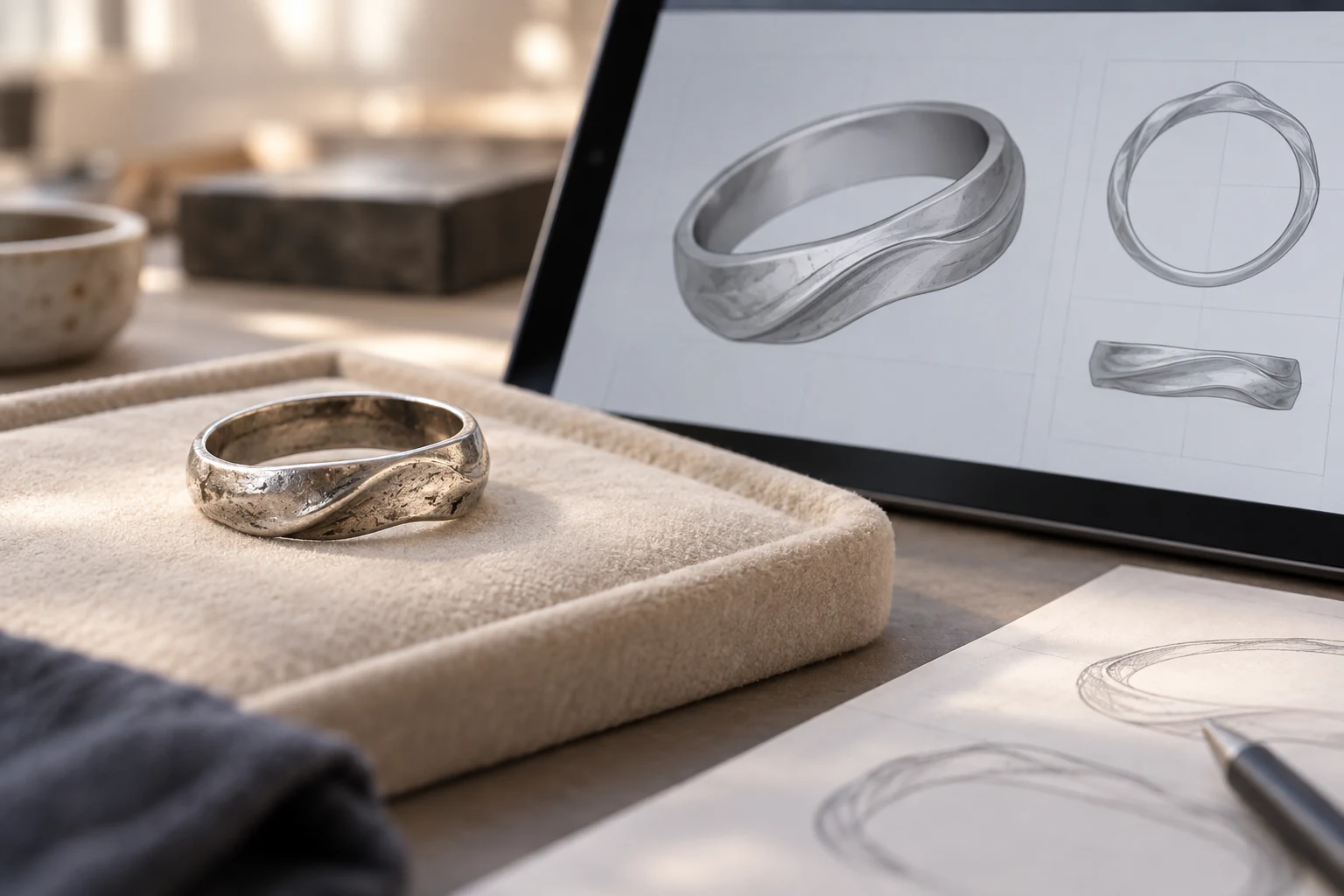
Read resourceTurn an existing piece of jewelry into an agreed digital model by recording visible details, missing information, repair choices and approval points.
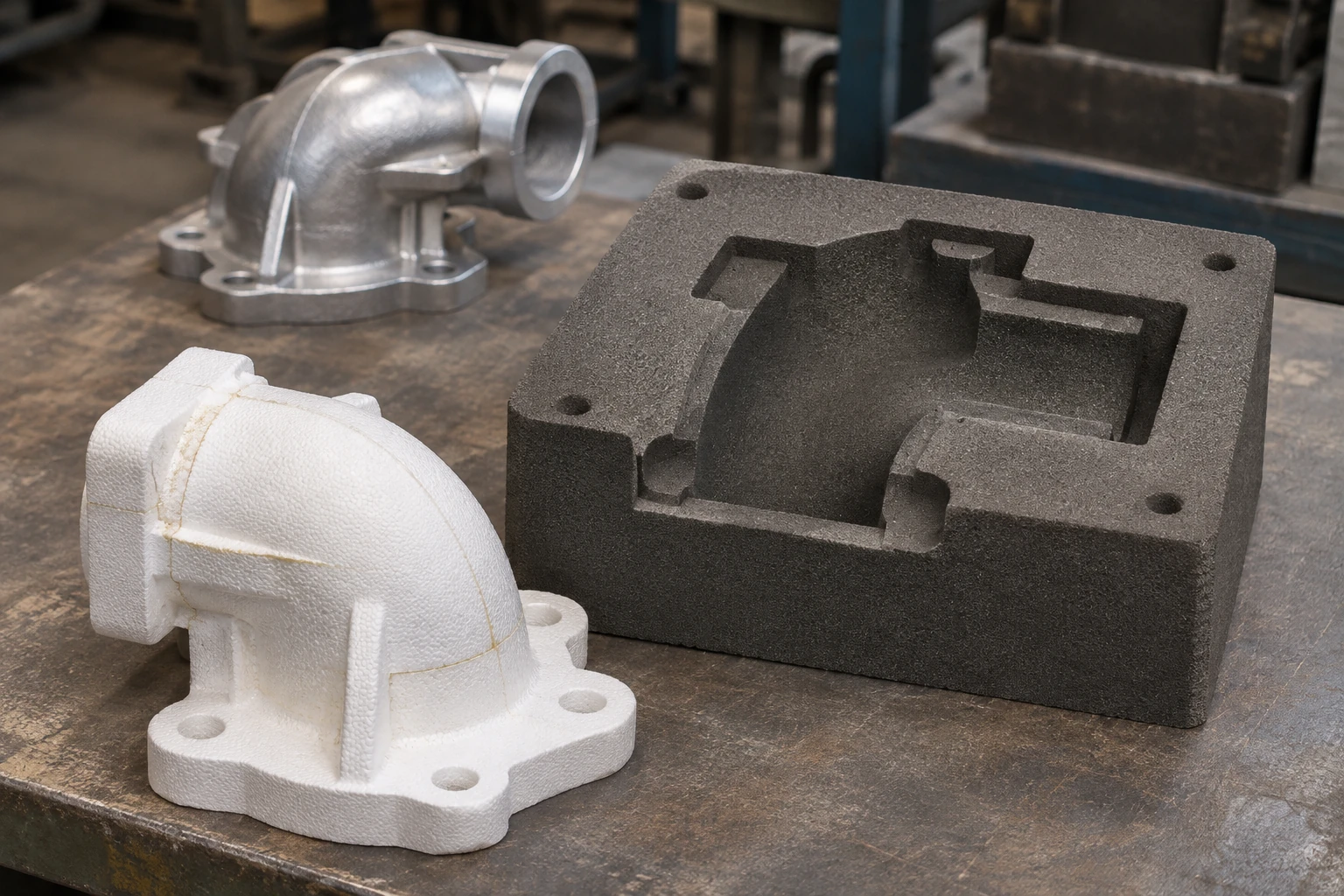
Read resourcePrioritize sand 3D printing for small new-product trials, complex cores and frequent revisions. Where a product repeats over the long term and foam patternmaking and pouring are established, retaining lost-foam casting better uses the existing process. The central difference is whether metal replaces a foam pattern or fills a sand cavity prepared beforehand.
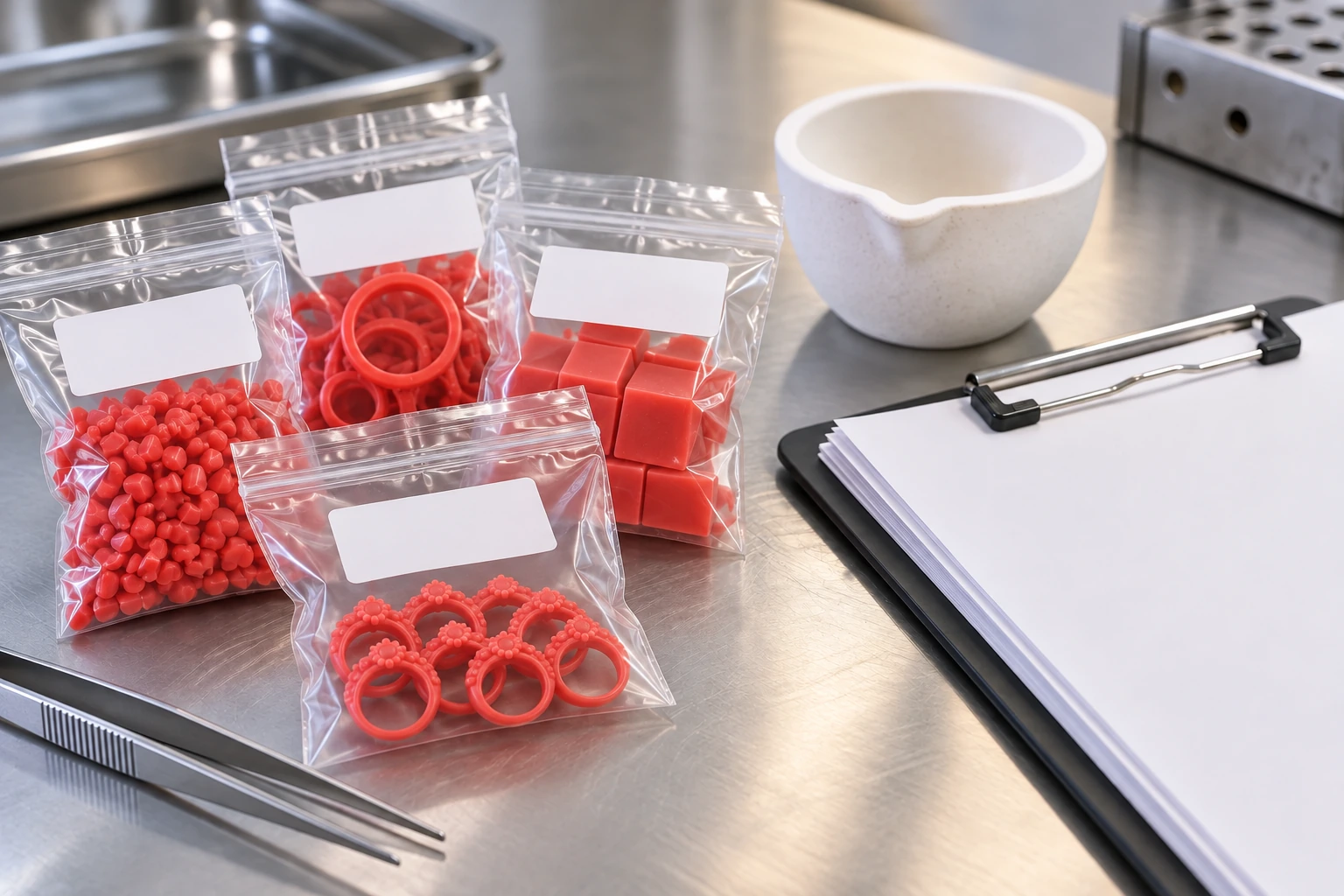
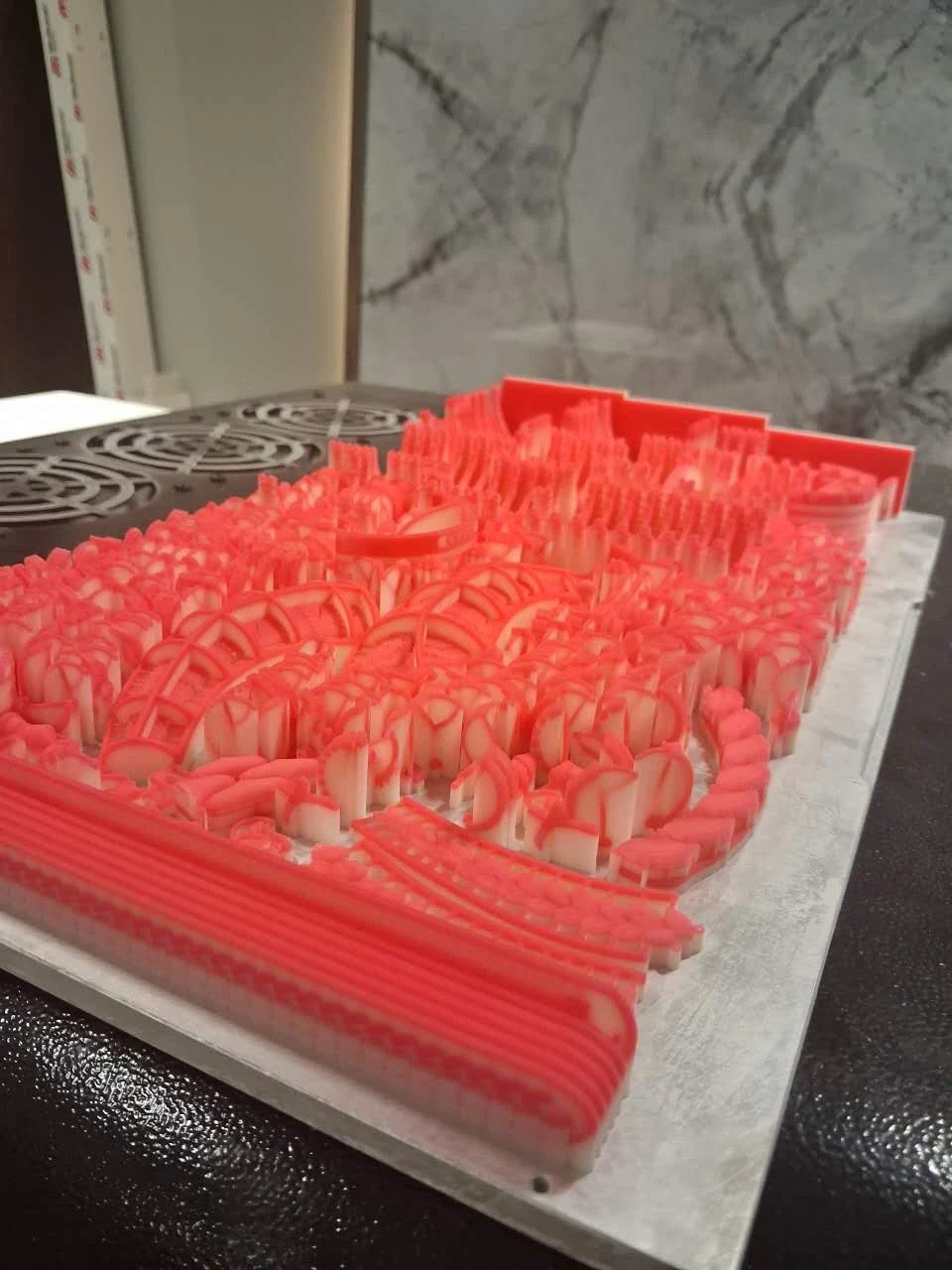
Read resourceOrganize a wax-printing build around model identity, handling, cleaning and delivery, and keep build positions separate from later wax-tree positions.
Read resourceReview jewelry details with printing, cleaning, assembly, casting and finishing in mind, rather than judging manufacturability from a render alone.
Read resourceTalk with Cprint 3D
Share your process, part requirements, or CAD data for a technical conversation with our team.