Ways to Make Wax Patterns for Casting
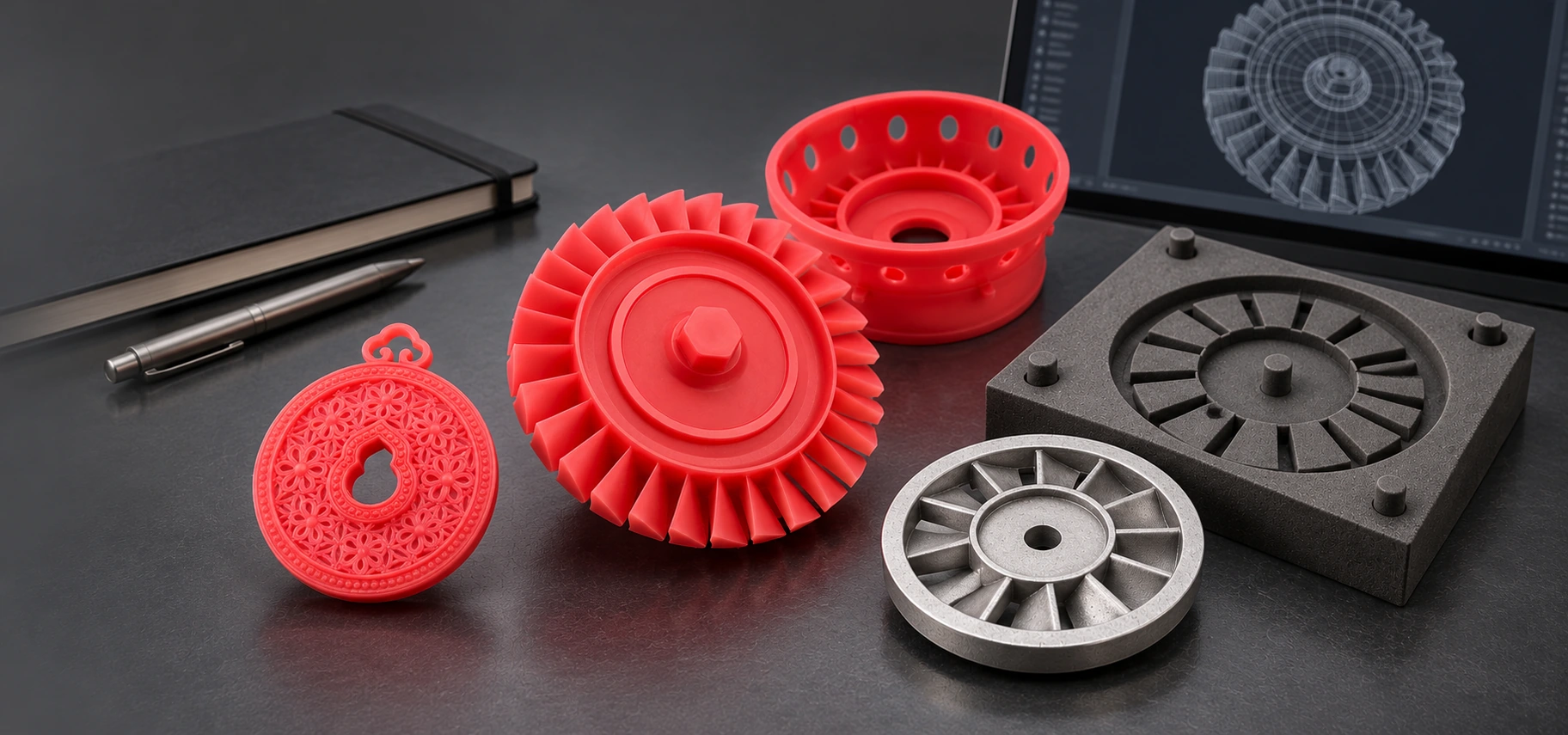
Compare hand carving, CNC milling, wax injection and direct wax printing. Understand the inputs, tooling, revisions and inspection needed to choose or combine production routes.
Read resource
resources
Browse current Cprint 3D content and continue to the most relevant product, application, or project page.
Compare hand carving, CNC milling, wax injection and direct wax printing. Understand the inputs, tooling, revisions and inspection needed to choose or combine production routes.
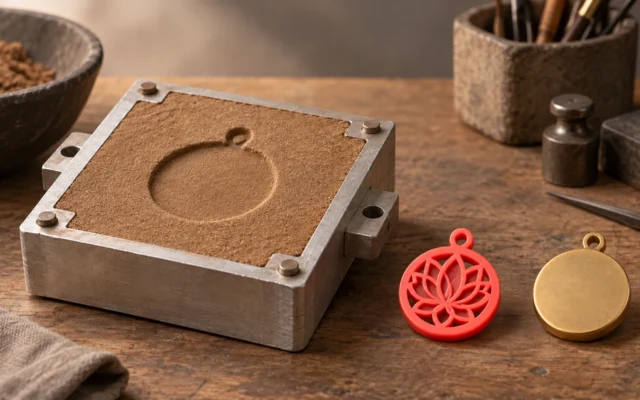
Read resourceLearn how hand-molded jewelry sand casting works, where pattern removal and fine details create limits, and how its process differs from lost wax casting.
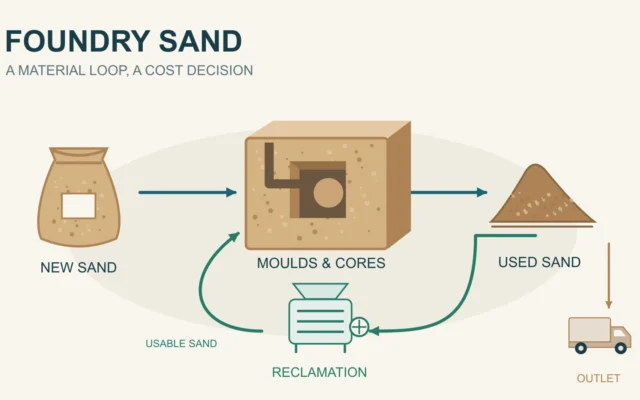
Read resourceSand reclamation economics depend on purchasing, transport, disposal, operating costs and casting quality. Start with the foundry's existing sand loop, then distinguish avoided costs, net cash savings and simple payback using a hypothetical example.
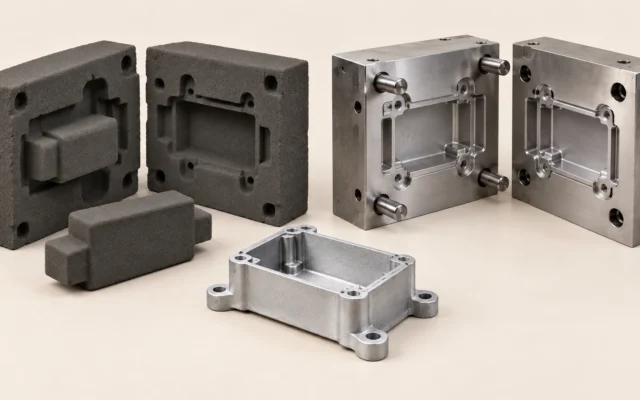
Read resourceSand casting and high-pressure die casting differ in tooling, filling, design flexibility and production economics. Check material and quality requirements before comparing the total cost of accepted parts.
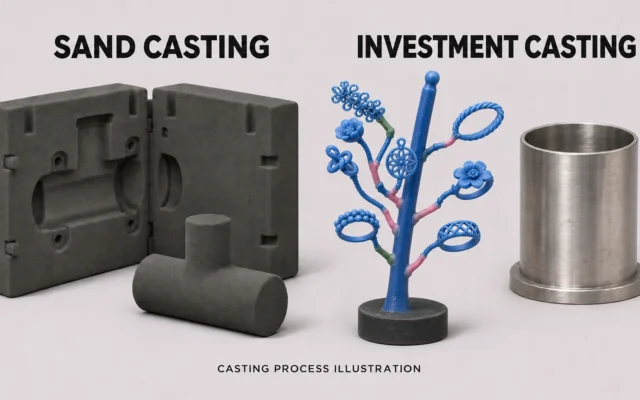
Read resourceThe main difference between sand casting and investment casting is how the mold cavity is formed. Compare their process steps, external details, internal passages, size range and machining needs, and see where 3D printing fits.
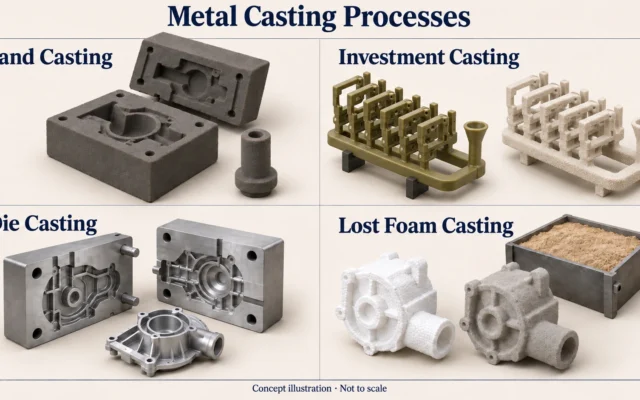
Read resourceCompare sand, investment, die and lost foam casting through mold materials, nine practical criteria and a seven-step selection process covering alloy, internal geometry, quality, volume and lead time.
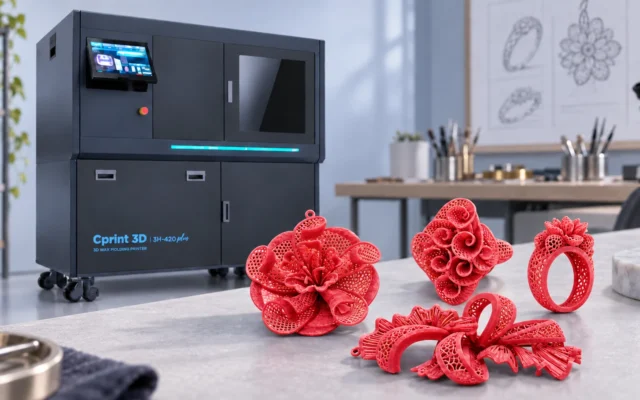
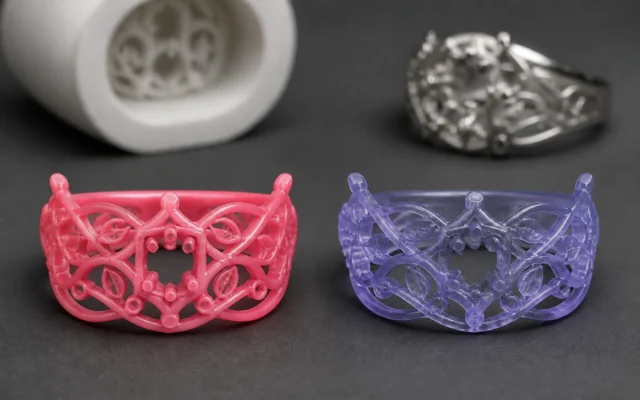
Read resourceCompare wax and castable-resin workflows, inspect critical pattern details, and understand single-head versus full-width three-head printing. Match capacity and running costs to your actual jewelry orders.
Read resourceCompare wax jetting and castable resin by materials, supports, cleanup, burnout, surface quality, throughput and total cost for jewelry casting.
Read resourceTalk with Cprint 3D
Share your process, part requirements, or CAD data for a technical conversation with our team.