resources

Comparisons

Browse current Cprint 3D content and continue to the most relevant product, application, or project page.

Resources in this topic

Comparisons

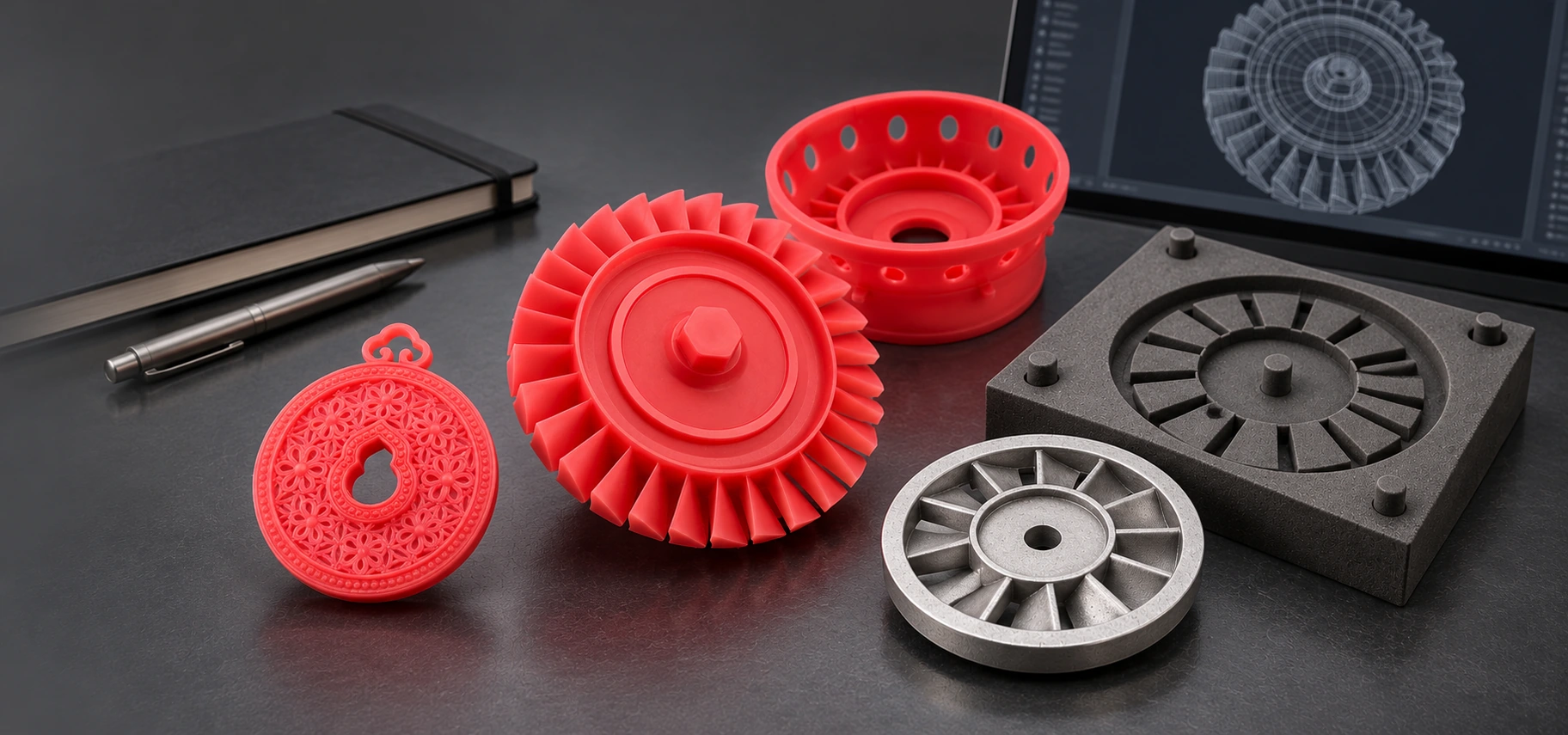
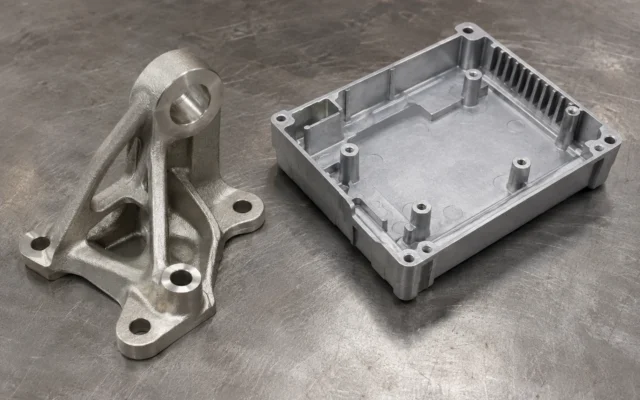
Investment Casting or High-Pressure Die Casting for Precision Parts?

Choose investment casting first for precision steel, stainless-steel and superalloy parts. For thin-wall aluminum, zinc or magnesium parts with a stable design and continuing volume, prioritize high-pressure die casting. For small development quantities still being revised, digital wax patterns with investment casting provide a straightforward route to actual metal samples.

Read resource
Comparisons

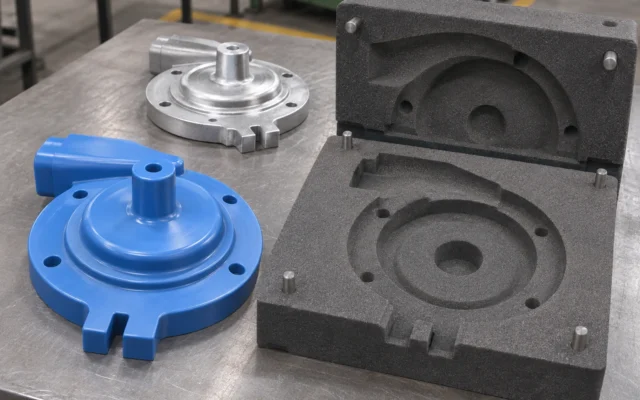
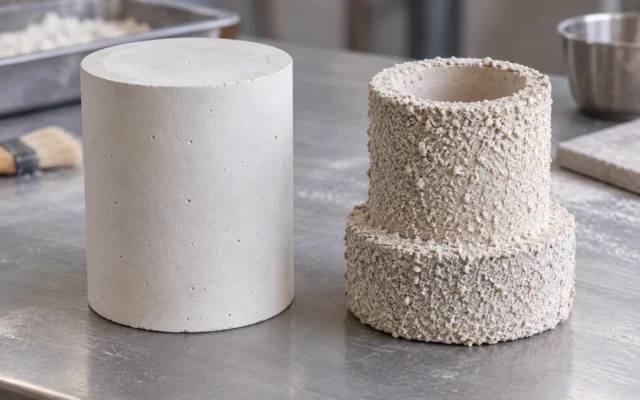
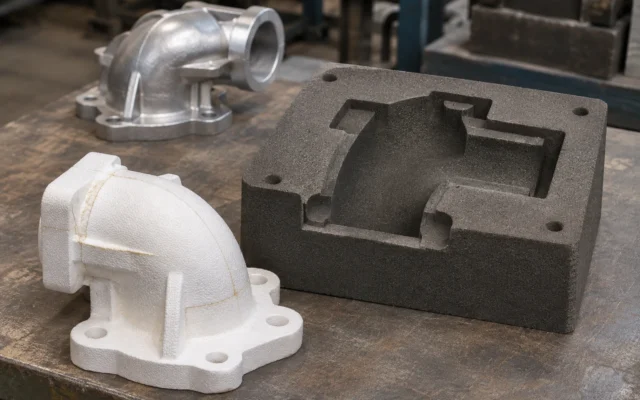
Lost-Foam Casting and Sand 3D Printing: Choosing the Process

Prioritize sand 3D printing for small new-product trials, complex cores and frequent revisions. Where a product repeats over the long term and foam patternmaking and pouring are established, retaining lost-foam casting better uses the existing process. The central difference is whether metal replaces a foam pattern or fills a sand cavity prepared beforehand.

Read resource
Comparisons

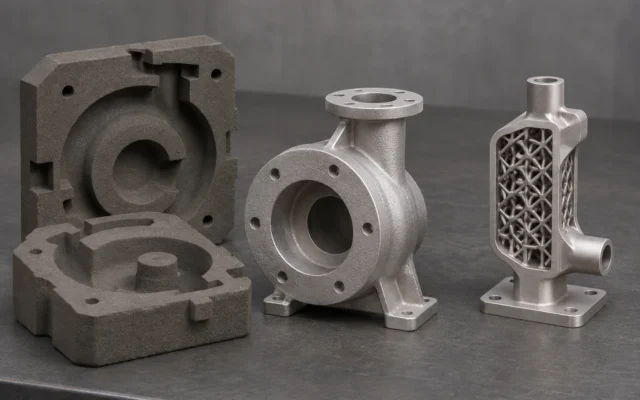
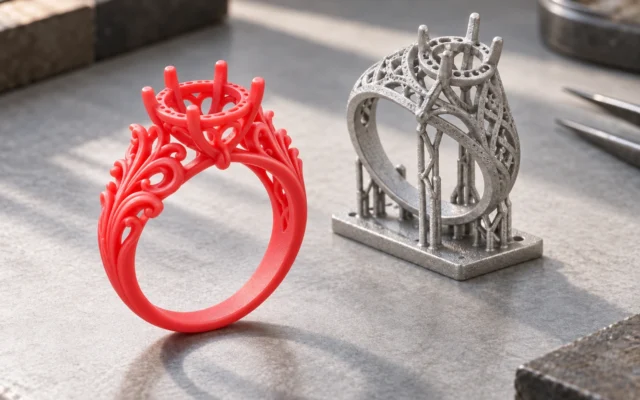
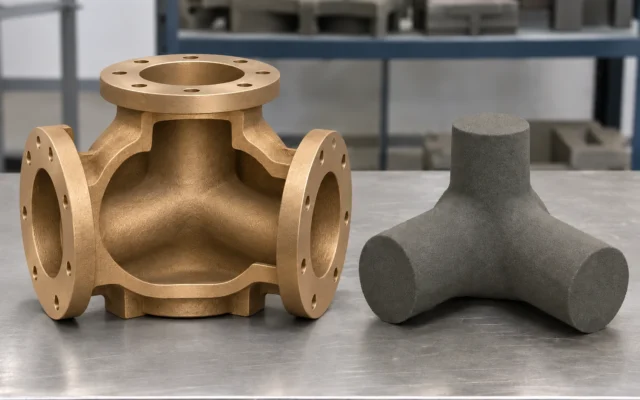
3D-Printed Sand Casting vs Direct Metal Printing: Cost and Design Limits

Prioritize printed sand molds for medium-to-large conventional castings when established alloys and foundry capabilities are available. LPBF offers greater value for fine lattices, compact heat-transfer structures and related part consolidation. Compare how metal formation, mold segmentation and internal geometry shape the choice.

Read resource
Comparisons

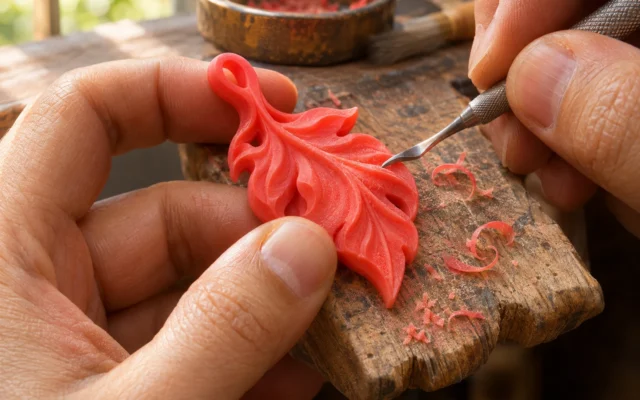
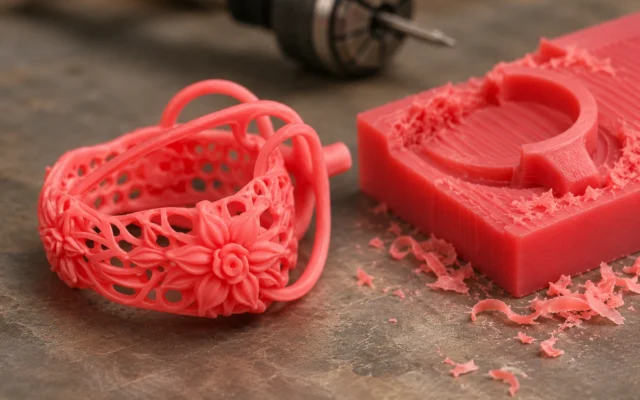
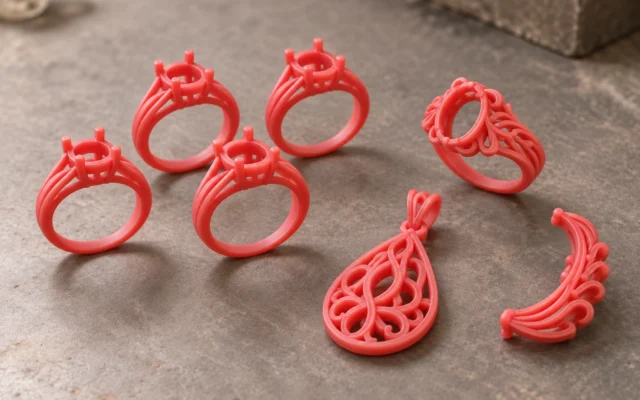
Wax Injection or Direct Wax 3D Printing?

Compare wax injection and direct wax printing for your actual order, considering existing molds, design variations, revisions and repeat demand. Align costs and lead times at the handover of acceptable wax models.

Read resource

Talk with Cprint 3D

Discuss Your 3D Printing or Casting Application

Share your process, part requirements, or CAD data for a technical conversation with our team.

Discuss Your Project
Scroll to Top