
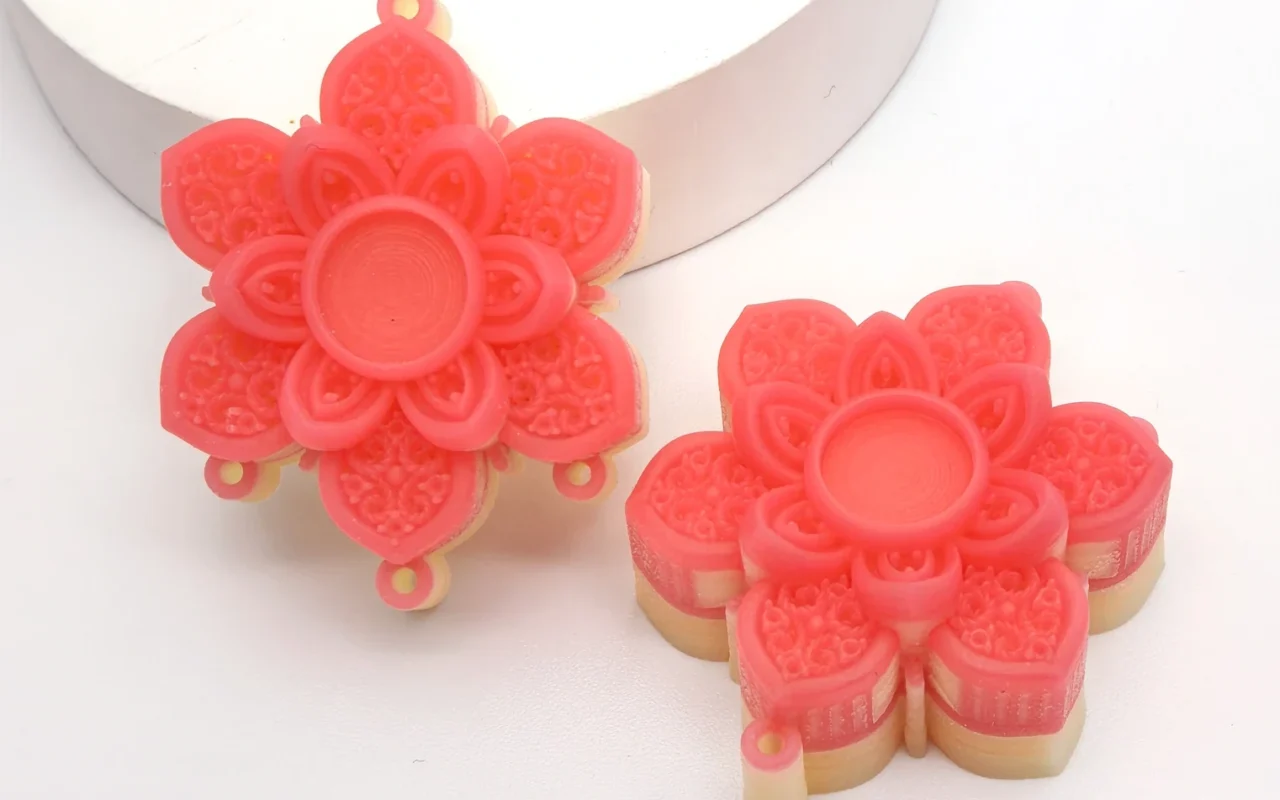
Build wax and support wax perform different tasks. Build wax represents the part geometry and remains as the printed model. Support wax assists the build and is treated at the agreed stage using the matching procedure. Material selection therefore considers both materials individually and how they work together in the same system.
In Cprint 3D’s current public product descriptions, red wax forms the model and white wax provides support. Color identifies materials in this system; it is not an industry-wide rule. Purchasing, use and handover should rely on the material grade, intended purpose and matching instructions.
Follow Build Wax Through Its Working Stages
The main wax is first involved in printing and forming, and may subsequently undergo cleaning, pick-and-place, inspection, tree assembly and casting preparation. It not only needs to express surface details, but also needs to maintain the required state of the model under corresponding operating conditions.
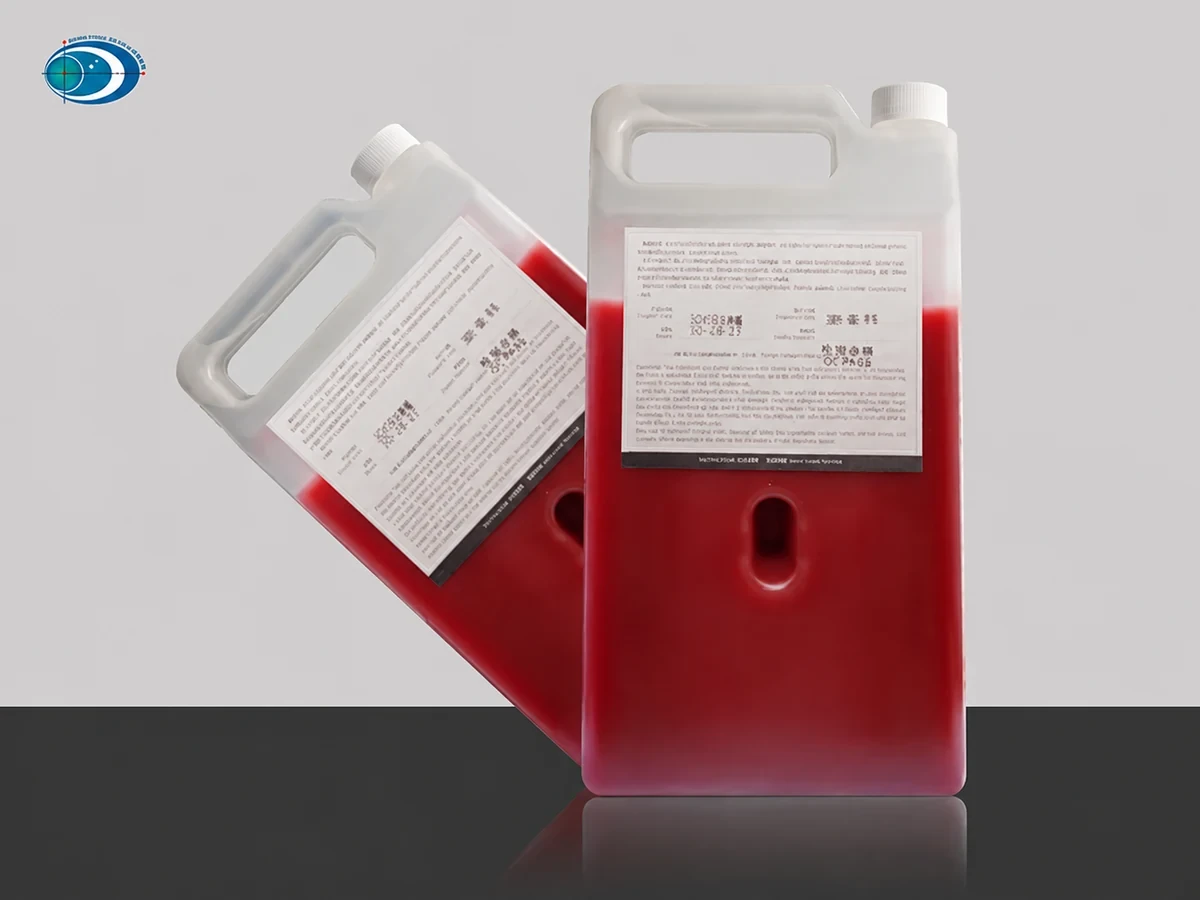
3D Systems’ Red Jewelry Wax page describes the material’s application characteristics related to detail performance and processing strength. Its data and conclusions belong to this material system and cannot directly become performance promises for other equipment or other wax materials. Red jewelry wax material introduction
When the same body wax is used for thick models and slender decorations, the model processing difficulty may also be different. Material evaluation should be based on actual geometry and delivery status, rather than just comparing appearance on simple samples.
Subsequent casting must also confirm the compatibility of the wax material with the casting mold and process. Low ash or a certain hardness index can provide information but cannot alone guarantee all casting results. The model structure, cleaning status and actual process also need to be verified.
Treat Support Wax as Part of a Matched System
Support materials first serve the building process. When dealing with supports, it is necessary to preserve the geometry and key details of the main model as much as possible, so the removal method should come from the confirmation instructions of the corresponding system.
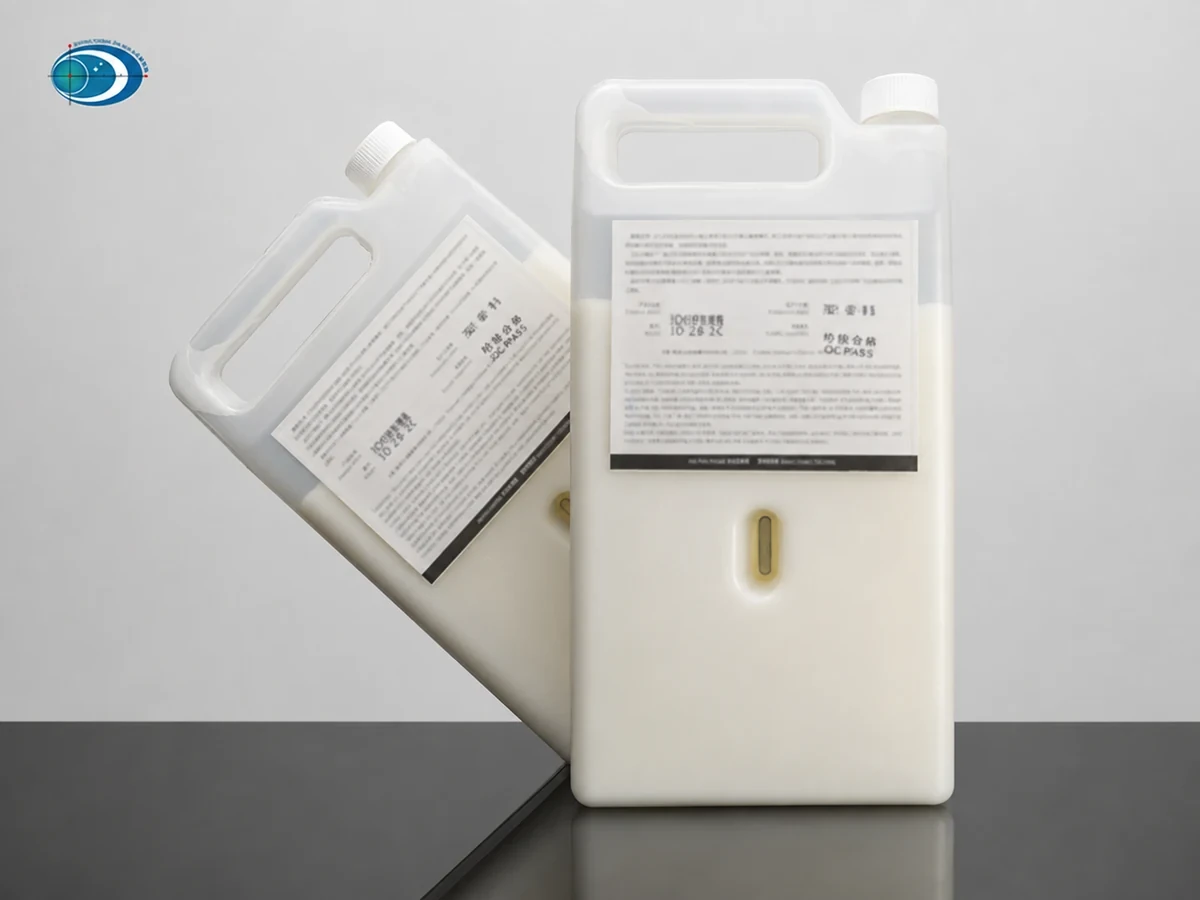
Flashforge’s wax material page lists model materials and support materials separately, and provides relevant processing and testing conditions. This information organization method reminds users that the model, usage, test methods and supporting processing need to be read together and cannot just look at one performance number. Description of model materials and supporting materials
Just because the name contains “support wax” doesn’t mean it’s a water-soluble material, nor can you base your choice of solvent, temperature, or time on another brand’s treatment method. Mixing across systems requires vendor confirmation and corresponding verification.
Residues of support materials should also be inspected as per project requirements. Completion of treatment does not mean that all critical areas have been cleared; deep grooves, hollows and weak connections require a combination of observability and confirmation for subsequent use.
Color and Names Do Not Replace Material Grades
The complete name, model, batch and actual use status of the main body and supporting materials should be retained in the warehouse, equipment and delivery records. The same color may come from different products, and similar names may have different conditions.
When the material packaging is changed, the supplier adjusts the model, or the process documents are updated, you should check whether it affects the current use plan. It cannot be directly replaced based on “it was also red before”.
When handing over the model, you can explain the materials used in this batch and the processing that has been completed. The receiving party does not need to be responsible for all records of raw material management, but should obtain information related to the subsequent use of the model, especially unfinished processing and conditions that require cooperation.
Substitute materials used for trial production should be clearly identified in internal records and the scope of this round of verification should be stated. Discovery results must not be mixed with approved production conditions.
Reading Common Material Data Fields
| Field | Conditions that need to be checked simultaneously | Easy to misunderstand |
|---|---|---|
| Density | Solid or liquid state, test temperature | Directly compare values in different states |
| Melting point and softening related data | Test methods and definitions | Treat melting point as safe storage temperature |
| shrink data | Linear or volumetric, sample and method | Use volume data directly as geometric compensation |
| Hardness or penetration | Methods, Loads, Temperatures and Units | equate a value to all detail intensities |
| Ash content | Method versions, samples and reporting conditions | Use a numerical value to ensure casting quality |
| Storage and use period | Unopened, opened or other conditions | It is presumed that the printed product has the same period limit |
Data are only meaningful when the definitions and conditions are clear. If a condition is missing from the table, ask the material supplier instead of piecing together a seemingly complete explanation from other brand materials.
Linear shrinkage and volumetric shrinkage especially should not be mixed. They measure different objects, and they may not correspond to the entire dimensional changes from the actual printed wax pattern to the casting. Tuning the model requires project validation and the percentages in the table should not be entered directly into the build software.
Verify Raw Material Data and Printed-Model Behavior Separately
Ingredients testing describes how a specific sample performs under specified conditions. Printing models also involve equipment, tasks, geometries, and processes. The two are related, but cannot replace each other.
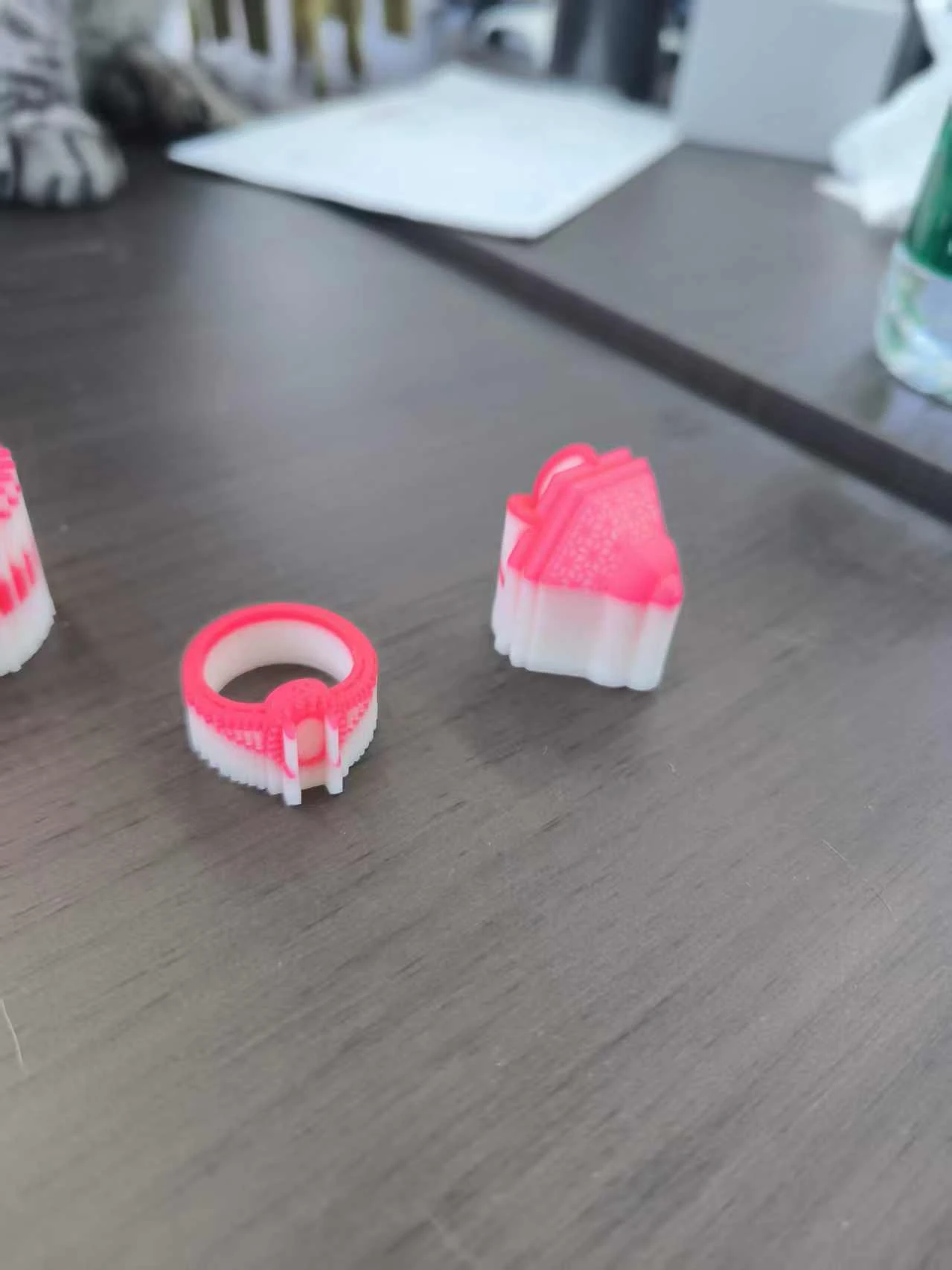
To compare host waxes, select features that represent project requirements under compatible systems and approved conditions, check for completeness, dimensions and surface after cleaning, and continue to validate subsequent processes by use.
To evaluate support treatments, you can record accessible areas, treatment status, key details, and inspection methods. Just looking at the processing time does not necessarily explain the risk of residue and model damage; looking at the clean surface alone does not necessarily cover all internal areas.
The comparison results should clearly indicate the scope of application. A ring model that performs well does not automatically prove that a long pole industrial model would pass with the same arrangement. By recording the structural characteristics and conditions, material experience can be easily reused.
Technical Data and Safety Data Serve Different Purposes
Technical data sheets usually help to understand product usage, performance and test conditions; safety data sheets are used to understand relevant hazards, protection, storage and disposal information. Both should use the valid version of the corresponding model.
Safety data does not prove that print dimensions meet requirements, nor does technical data replace actual operational safety arrangements. For processes that use supporting processing media, the configuration conditions should be based on the corresponding information and supplier instructions, rather than relying on the general description in the article.
For material anomalies, packaging changes or adaptation issues, please contact the supplier and equipment support personnel for confirmation. Do not mix materials, adjust equipment material settings, or apply processing parameters across brands without a basis for doing so.
Check Materials Before Purchase and Use
It is recommended to confirm device suitability, body and support pairing, file version, batch identification, storage conditions and handling methods. The labels and status of existing inventory should also be checked to avoid adding materials from unknown sources to tasks.
The first round of use can be based on real representative model verification, recording input, output and processing results. Pass conditions should cover the required stages of the project, rather than just one print completion.
For stable production, material changes should be entered into corresponding change records. Changing the main wax, support wax or related processing conditions may require re-evaluation of the scope of application. The supplier’s statement of “similar purpose” does not automatically replace project verification.
When evaluating the Cprint 3D system, first clarify the matching relationship between the 3H-420 Plus wax model 3D printer and the materials in question, and then request the corresponding version information.
Cross-Check Three Material Identifiers on Site
Before preparing for a task, you can check whether inventory labels, equipment usage records and task material records are consistent. Confirm the main body and support separately, do not just record “use wax material”. If a different model is displayed somewhere or it cannot be traced, you should contact the corresponding person first.
The raw material files meet the requirements, indicating that the input information is available; the cleaned model passes the inspection, indicating that the output of this round meets the specified items. Record these two statuses respectively, so that you can determine which part needs to be checked when an exception occurs.
The purpose and quantity of trial production of material changes should be indicated and distinguished from the approved conditions. After passing the verification, relevant personnel will update the applicable documents to prevent test materials from entering routine tasks due to similar labels.
Frequently Asked Questions
Is Red Wax Always Better for Jewelry?
It should depend on the specific model, system matching and verification results. Color is an identifying feature only and does not serve as a cross-brand performance ranking.
Is Easy Removal the Only Requirement for Support Wax?
Also confirm that it works with the host wax and equipment, and that the processed model meets integrity, size, residue and delivery requirements. Removing convenience is only part of the overall review.